
European Exposure to Chinese Power
The China Exposure Index (CEI), ranking 184 countries from 2013 to 2025 on how exposed they are to Chinese power, finds a surprising concentration of Chinese power in Europe.
Global Democracy Under Attack
Anti-democratic movements are gaining ground and authoritarian powers are interfering across borders. But pro-democracy forces are adapting too, working to make democracy more resilient. GPPi studies both dynamics — the threats and the responses.
Don’t Lose What Works
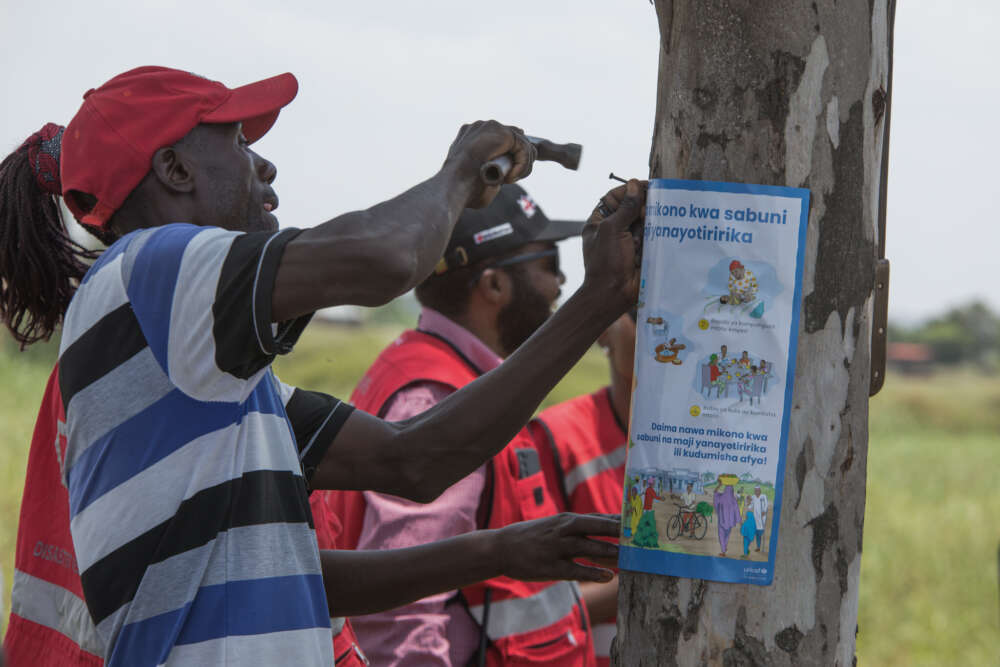
The humanitarian system is facing an unprecedented funding and legitimacy crisis. As the system downsizes in response, we must protect what we know works: evidence-based approaches such as cash assistance, anticipatory action and localization.

Wir überlassen die gefährlichste Technologie der Welt privaten Laboren
Während die KI-Skepsis zum Mainstream wird, stellen sich US-Präsident Donald Trump und die US-Tech-Elite gegen jede wirksame Kontrolle.
Building Narratives
Creating good policy is often not good enough on its own. Without the right story, even the strongest commitments can be disregarded, misconstrued or actively reframed by others. This manual is a practical guide for EU officials to build a better narrative of global governance.
New Research: Future of Global Governance
The ENSURED project recently published five brand-new research reports on the effectiveness, robustness, and democratic character of key institutions and systems governing global artificial intelligence, biodiversity, global health, sex and gender (women’s & queer rights), and global taxation.
If you’re following debates about the future of global governance, you won’t want to miss this important research.
Moldova's Security in 2030
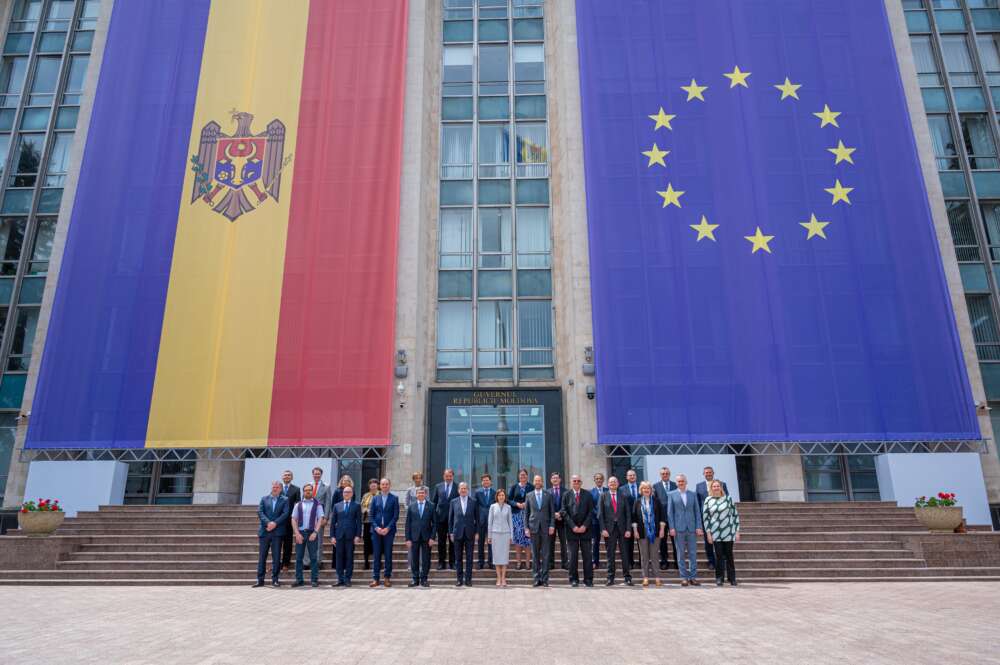
What will Moldova’s security position look like in 2030? This report explores four plausible scenarios, focusing on the factors that could shape the country’s path toward— or away from — the European Union.
Getting Ahead of Humanitarian Crises
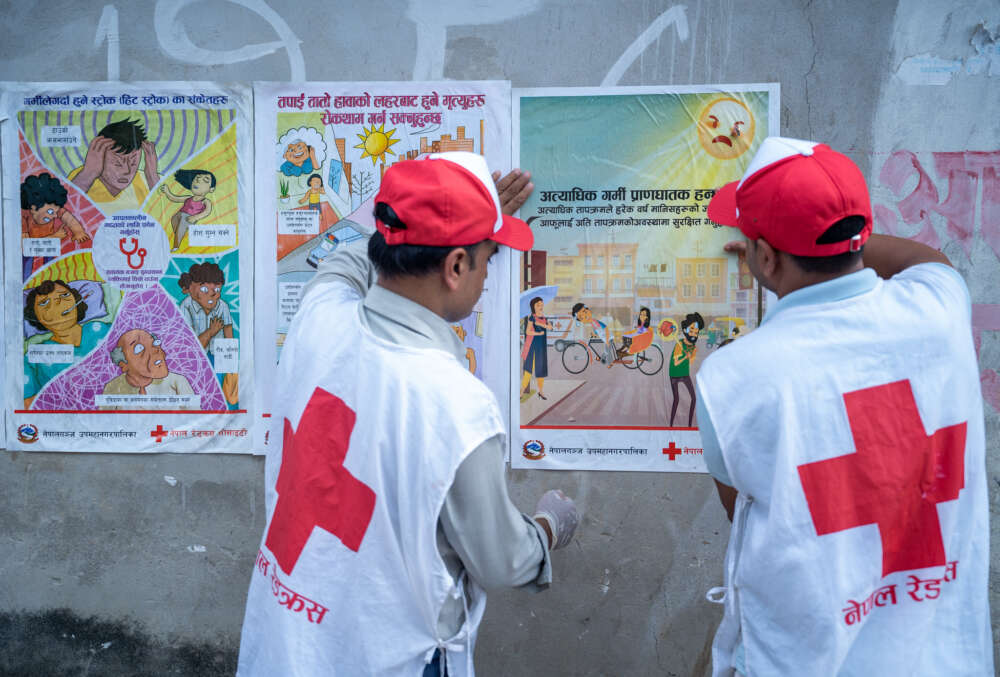
Anticipatory action aims to respond the very moment a humanitarian crisis is foreseeable, rather than after a crisis has begun. But is it paying off? This evaluation of the German Federal Foreign Office analyzes whether Germany’s funding is achieving its objectives.
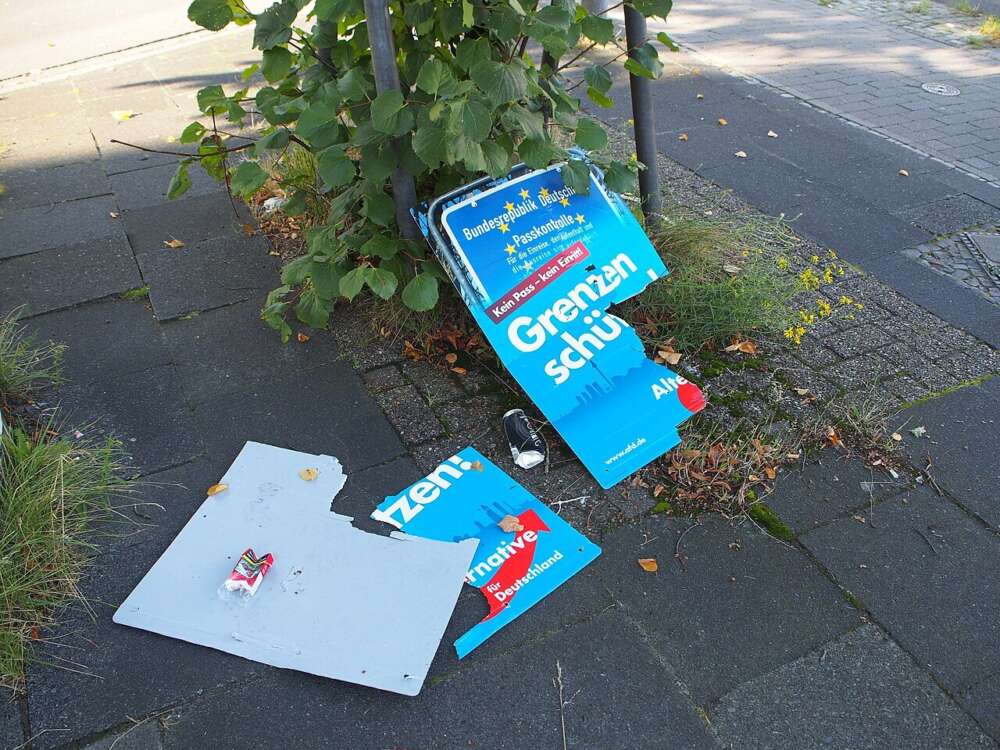
Germany’s Firewall Needs A Rethink
Attempts to ostracize the AfD has fueled both the rise and radicalization of Germany’s far-right party.
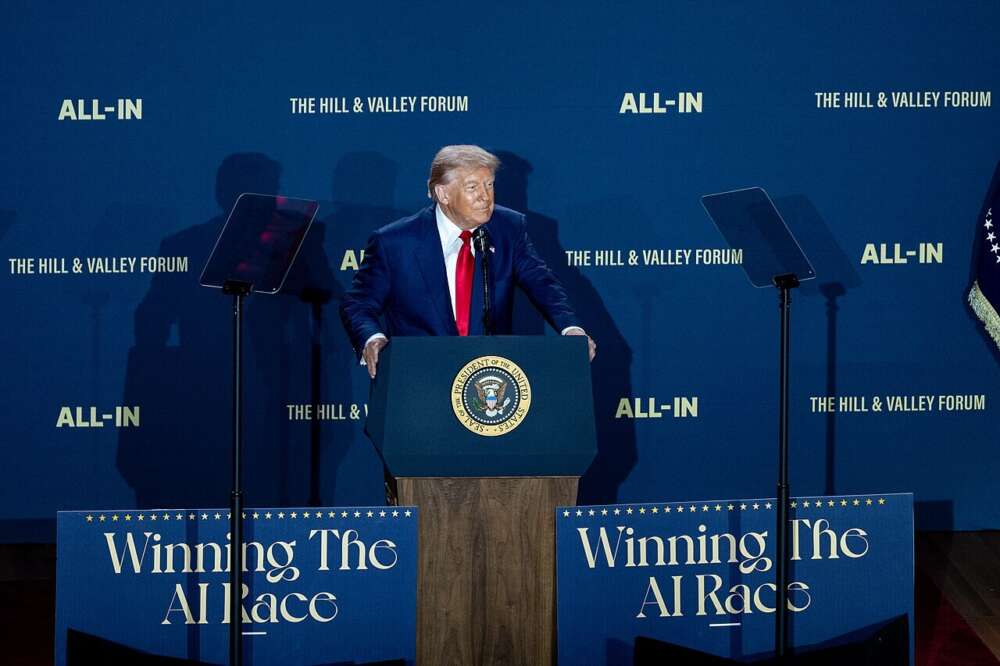
What the American AI Exports Program Means for Europe
The US’s AI Action Plan, aptly named “Winning the Race,” aims to strengthen global adoption of US technology across the entire AI stack, while preventing countries from turning to US rivals (chiefly, China). How will this affect Europe’s tech sovereignty?
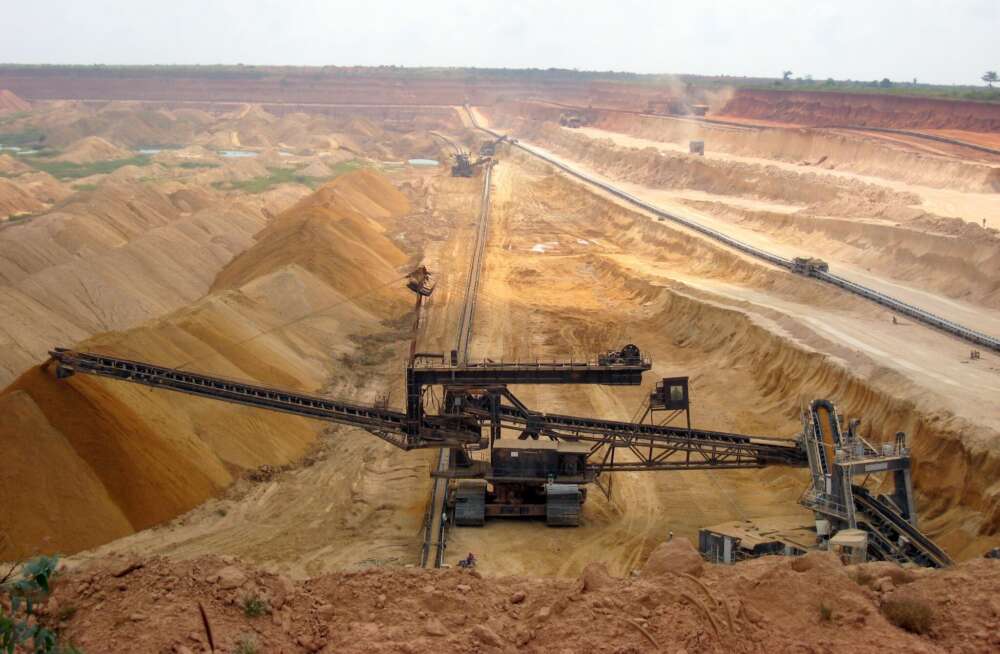
Warum Deutschland Rohstoffe in Afrika gewinnen sollte
Vom nationalen Rohstofffonds bis zum Critical Raw Materials Act (CRMA) haben Bundesregierung und EU diverse Maßnahmen angestoßen, um unabhängiger von China zu werden. Doch ein Blick auf Umsetzung und Wirkung zeigt: Das Problem ist längst nicht gelöst.

The Story of Global Governance
Global governance is increasingly a battle over narratives as much as over rules and resources – and the EU has a significant stake getting it right. But in today’s contested world, the EU’s story is increasingly fragmented. What could a more durable foundation for EU storytelling look like?