Economic Security & Critical Technologies
Over the last years, global interdependencies – from raw materials to advanced semiconductors – have increasingly become weaponized for political leverage and coercion. China’s rise as a major authoritarian state-capitalist power and US President Donald Trump’s agenda question the premises of the post-Cold War global economic order in even more fundamental terms. In parallel, advances in digital technologies, artificial intelligence, synthetic biology, and other areas are transforming economies and societies, as well as the military realm. We seek to inform public debates on these critical developments and help key players in the public, private and non-profit sectors navigate and shape them. We both analyze specific technologies and industries, and take a bird’s-eye view, examining cross-cutting strategy and governance issues. We also convene exchanges to foster strategic communities and international partnerships.

Toward Technological Sovereignty
Amid intensifying global competition over critical and emerging technologies, Germany and Europe must strategically strengthen their position and protect their interests. This project looks at how Berlin and Brussels can bolster their technological sovereignty via cooperation with key middle powers such as the UK, India and Brazil.

Critical Raw Materials: Reducing Strategic Dependencies in Germany and Europe
For certain critical raw materials, Germany has become almost entirely dependent on China – yet past efforts have largely failed to reduce these vulnerabilities. This project aims to understand these past failures and to chart pathways forward.
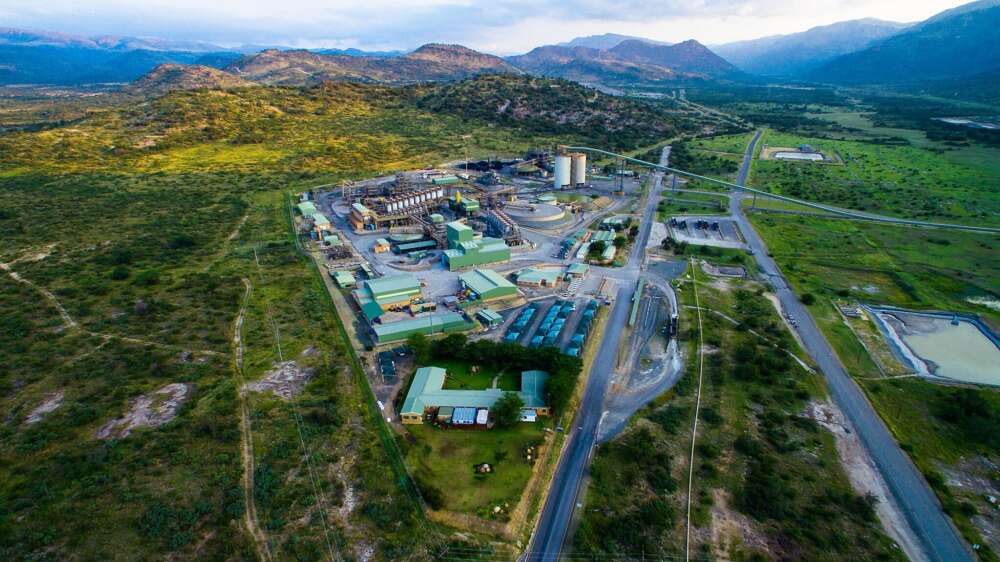
Improving EU Resilience Through Resource Partnerships in Africa
In an effort to reduce its dependency on China, Europe is seeking partnerships with resource-rich states, notably in Africa. What could successful and mutually beneficial collaboration between European and African actors look like?

Neurotechnology: Considerations for Foreign and Security Policy
This project analyzes the rapidly developing field of neurotechnology from the perspectives of foreign and security policy. How might Germany take on a strategic position in the global neurotechnology ecosystem?
Experts
Thorsten Benner
Florian Klumpp
Jessica Batke
Ricardo Soares de Oliveira
Olaf Schulz
Jakob Hensing
Wade Hoxtell
Maximilian Gahntz
Isabel Skierka
Funding and Contact
Our recent work on economic security and critical technologies has been supported through grants from the German Federal Foreign Office, the Otto Wolff Foundation, and the Calouste Gulbenkian Foundation. Previously, our Transatlantic Digital Debates (TDD) program was generously supported by the Transatlantic Program of the German Federal Government, with funding from the European Recovery Program (ERP) of the Federal Ministry for Economic Affairs and Energy. Additional support was provided by Microsoft. In line with GPPi’s overall financial model, we also provide consulting and advisory services to companies, industry associations and public agencies, reinvesting all profits into our public-interest research.
For more information, please contact Jakob Hensing.





Transatlantic Digital Debates
The Transatlantic Digital Debates (TDD) was a fellowship program that brought together cohorts of 18 German and American young professionals to work on challenges at the intersection of tech and policy. Participants met for two week-long sessions to engage in problem-oriented dialogue on key issues such as the rapid transformation of the global economy through the integration of artificial intelligence, automation and digital commerce; increasing influence operations of authoritarian countries to steer global internet, technology and data governance policies; as well as the rise of online platform services and resulting concerns with respect to data protection, disinformation, targeted digital advertising, and corporate power, among others.
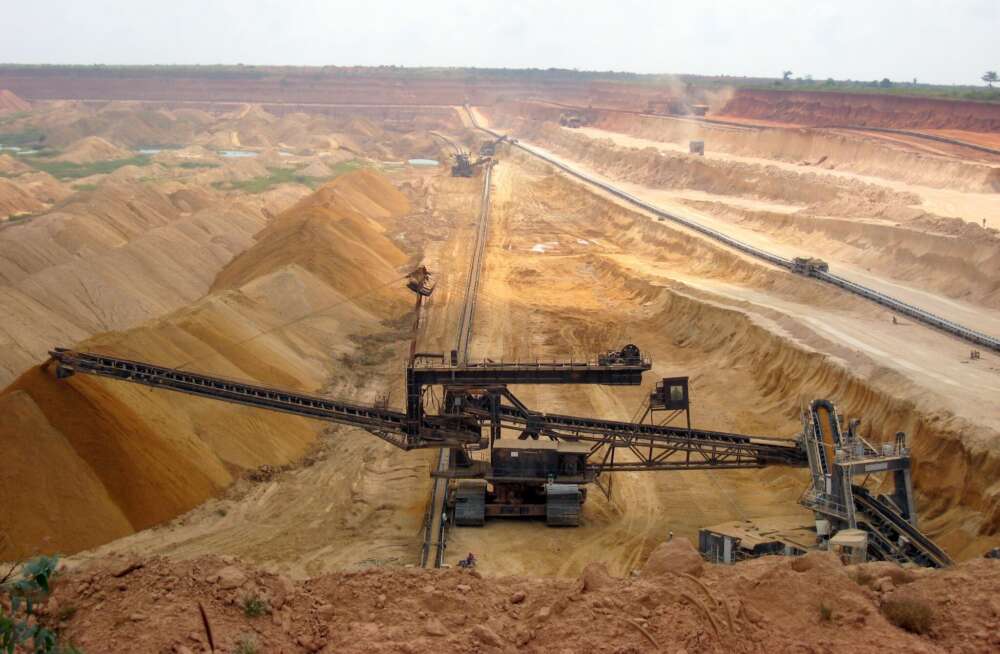
Warum Deutschland Rohstoffe in Afrika gewinnen sollte
Vom nationalen Rohstofffonds bis zum Critical Raw Materials Act (CRMA) haben Bundesregierung und EU diverse Maßnahmen angestoßen, um unabhängiger von China zu werden. Doch ein Blick auf Umsetzung und Wirkung zeigt: Das Problem ist längst nicht gelöst.
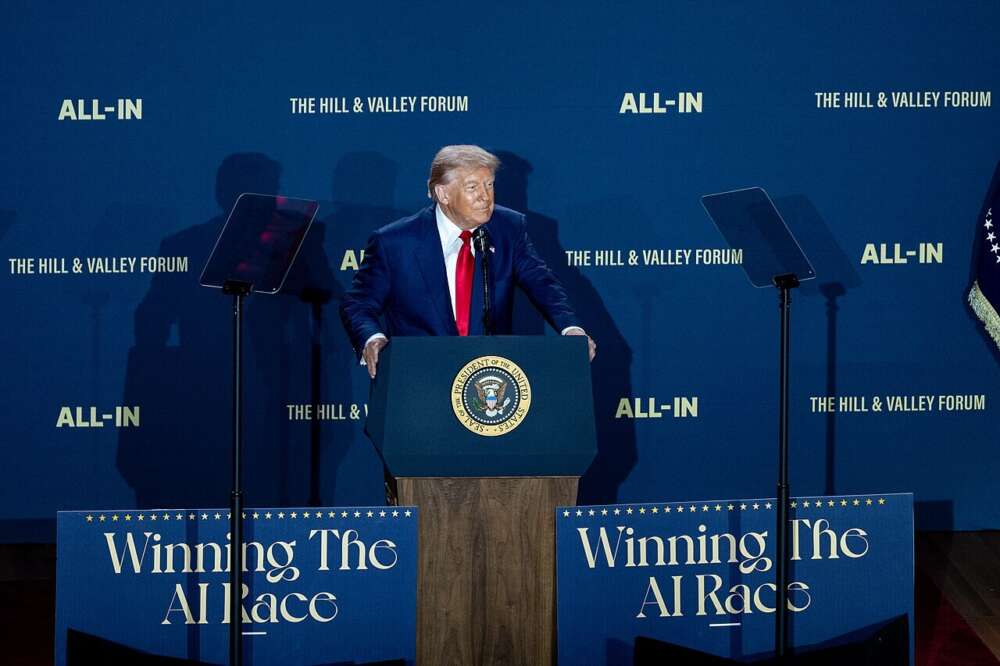
What the American AI Exports Program Means for Europe
The US’s AI Action Plan, aptly named “Winning the Race,” aims to strengthen global adoption of US technology across the entire AI stack, while preventing countries from turning to US rivals (chiefly, China). How will this affect Europe’s tech sovereignty?
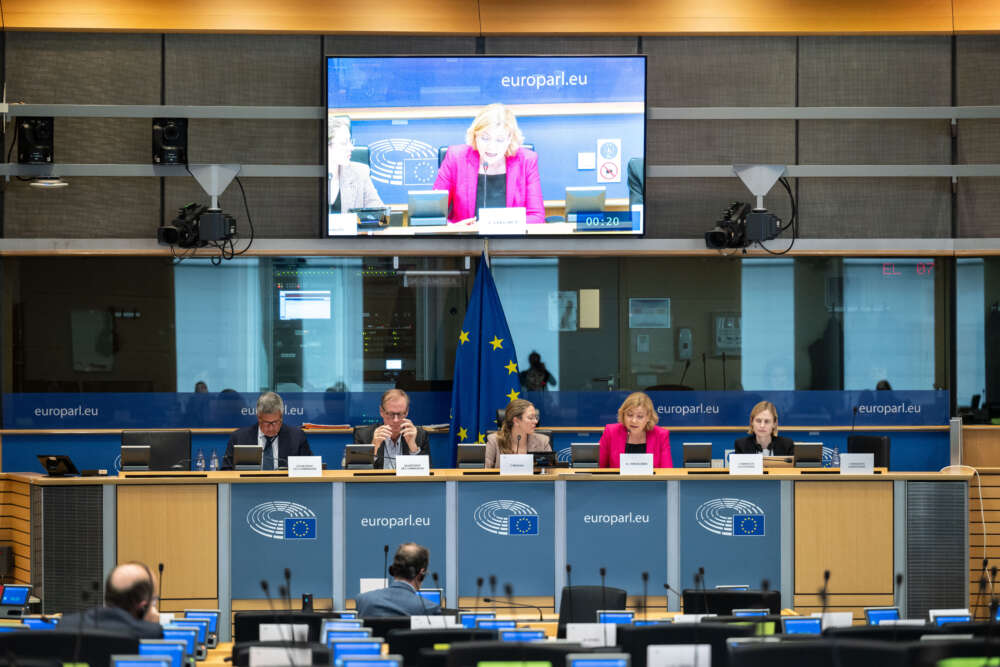
Europäische KI-Souveränität: Warum der Weg über die USA führt
Der realistischste Weg zu grösserer europäischer technologischer Handlungsfähigkeit ist paradoxerweise derjenige, verlässliche Beziehungen zu den führenden amerikanischen Unternehmen aufzubauen – nicht ohne gleichzeitig auf europäische KI-Stärken zu setzen.
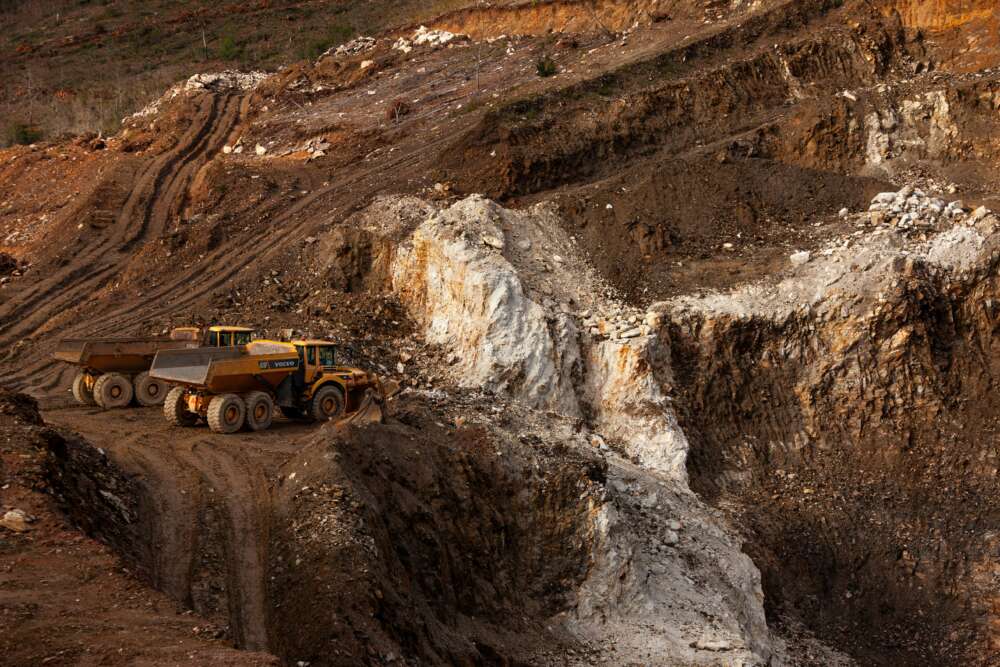
The Opportunity: Transatlantic Supply Chains and Critical Minerals
China has transformed its economic dominance in critical minerals into a powerful political weapon. Europe and the US must act now to build alternative supply chains – while this will require upfront investment, it will certainly pay off.
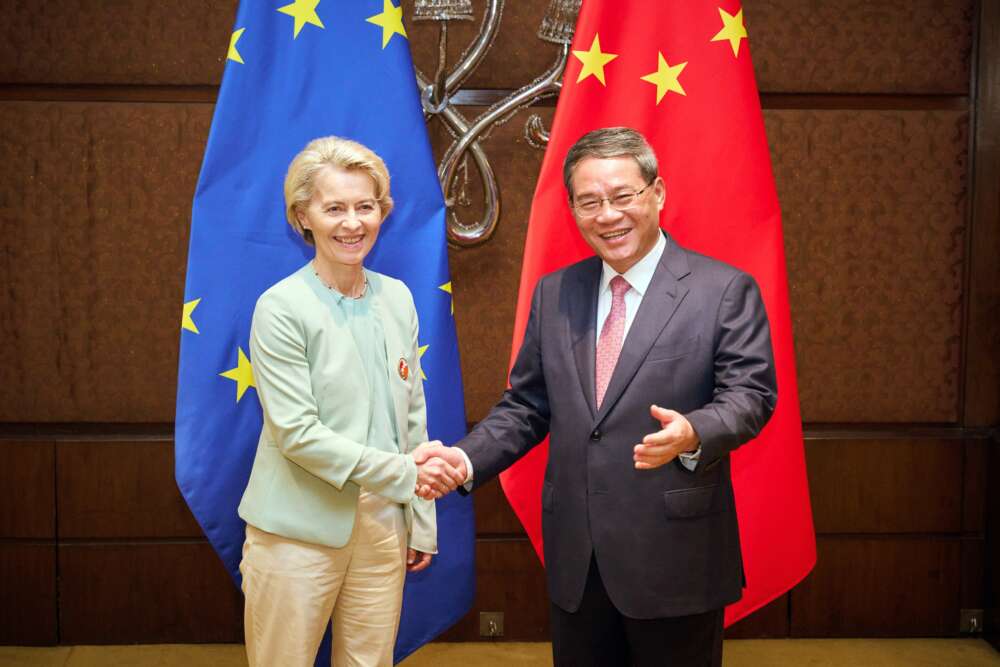
The Coming Clash Between China and Europe
China’s state-backed industrial strategy threatens the very survival of Europe’s core industries. Time is short, but Brussels can still put up a fight.
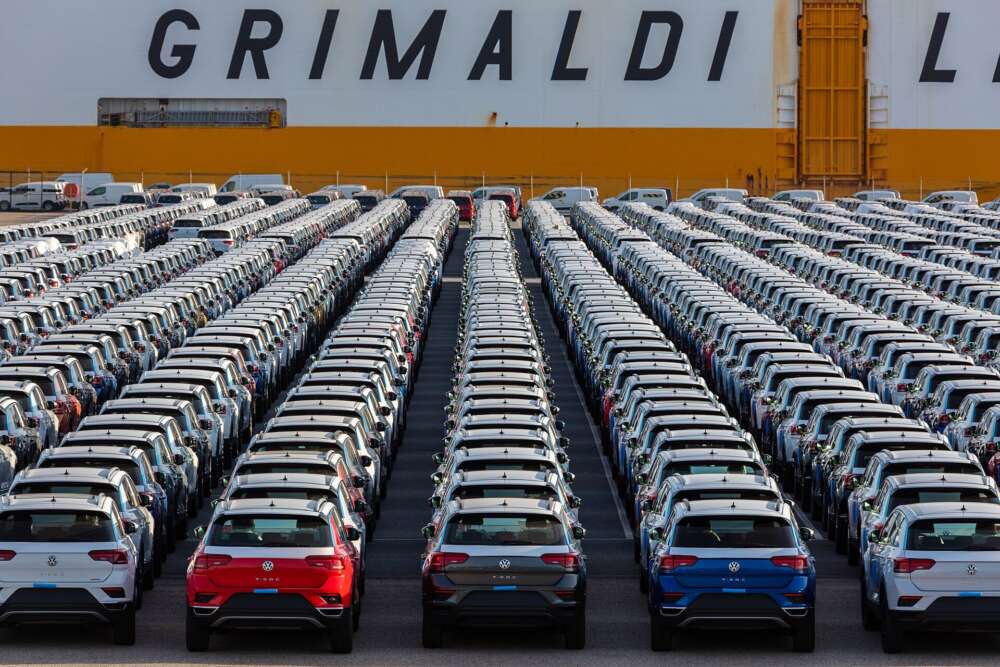
Europe’s Trade Power and the Race Against Deindustrialization
Europe’s deindustrialization, resulting from longstanding domestic weaknesses, Chinese overcapacity and US tariffs, is already a fact. If the EU wants to protect key European industries, it must strengthen, reform and, importantly, use its trade defense tools.
Critical and Emerging Technologies: Sharpening the Strategic Agenda in Germany and Europe
Cutting-edge technologies are central to security, power and prosperity — even more so at a time of upheaval in the global order. This project seeks to advance the German and European debate on strategic goals, policy options and trade-offs, including through engagement with the evolving agenda in the United States.
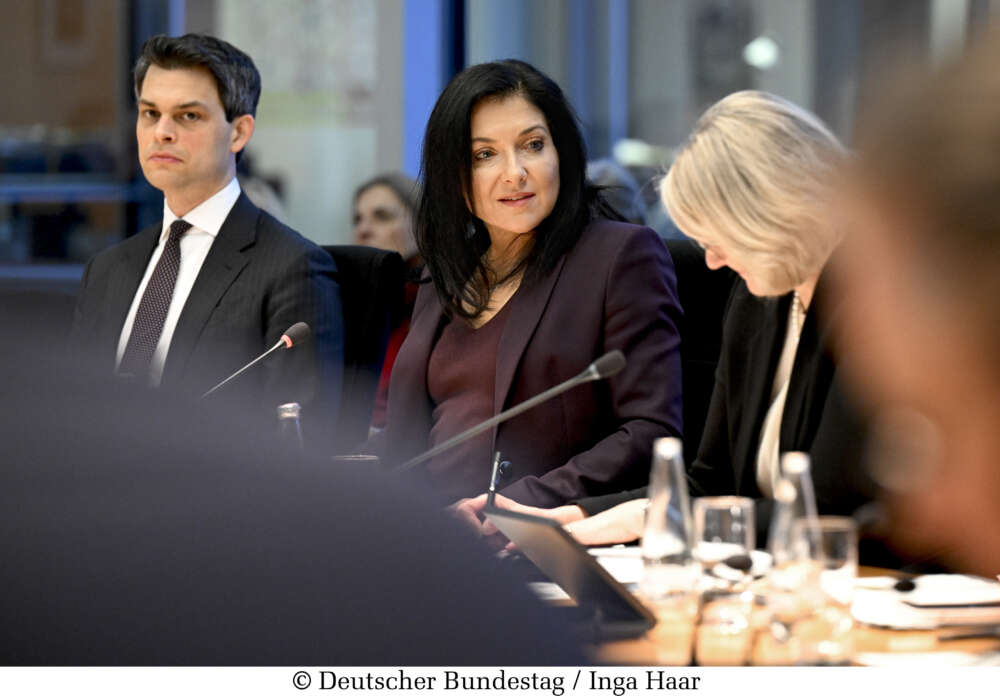
Kritische Rohstoffe: Was die Wirtschaftsministerin nach ihrer China-Reise tun muss
Bisherige Versuche, Deutschlands dramatische Abhängigkeiten von China bei Seltenen Erden zu verringen, sind gescheitert. Es braucht ein Umdenken hin zu einer stärkeren Marktgestaltung. Dafür sollte Wirtschaftsministerin Reiche nach ihrem China-Besuch zur Antreiberin werden.