Improving EU Resilience Through Resource Partnerships in Africa
Project team: Jakob Hensing, Ricardo Soares de Oliveira, Thorsten Benner, Florian Klumpp
Funded by the Calouste Gulbenkian Foundation
Duration: January-October 2026
Over the last years, the European Union and its member states have finally started to recognize their excessive dependence on China for critical raw materials and have stepped up their efforts to foster resilience. While initiatives in areas such as domestic extraction and processing, recycling and strategic stockpiling are clearly relevant, global partnerships with other states rich in critical raw materials constitute the centerpiece of this de-risking agenda.
In Africa, European engagement in the mining sector has a long history, originally in the guise of colonial extractivism. Following the independence of African states, there was hope that cooperation on socially and environmentally responsible approaches could help translate resource wealth into sustainable development. In practice, however, few successful mining or processing projects with meaningful European involvement exist on the continent today. The desired impact of African mining sectors toward broad-based prosperity has also often proven elusive, while examples of human rights violations, environmental transgressions, and questionable revenue governance continue to surface regularly.
Faced with a substantial Chinese foothold in many African countries and fast-moving competition from the United States and elsewhere, current European discussions about resource sector engagement in Africa are increasingly taking a defeatist turn. While some policymakers still hope that embedding commitments to social and environmental responsibility into European project offers could give them a distinctive edge (also in the eyes of African counterparts), others dismiss them as ill-conceived luxuries that hinder a more robust pursuit of European interests.
Against this backdrop, this project examines what realistic, mutually beneficial partnerships between European and African actors on critical raw materials could look like. It seeks to identify the conditions and contexts that foster success, and to propose concrete steps that European policymakers and industry actors should take to achieve it. Conducted in close collaboration with Ricardo Soares de Oliveira, a non-resident fellow at GPPi and full professor of Political Science at Sciences Po Paris, this project combines rigorous analysis based on deep thematic and regional expertise with active stakeholder engagement to offer fresh impulses to a crowded but often insufficiently concrete policy debate.
For more information, please contact Jakob Hensing.
Project Outputs
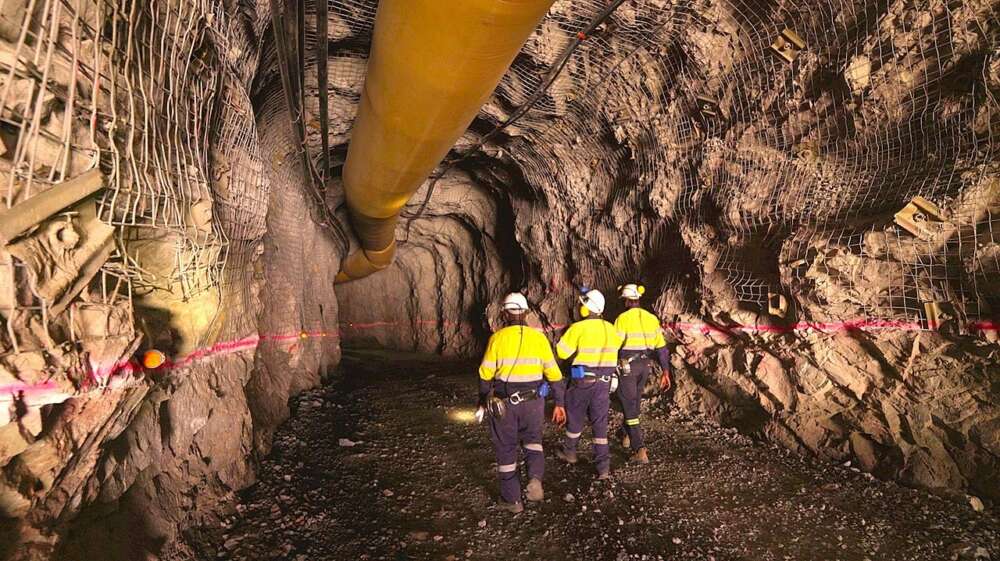
Europe Cannot Afford to Leave its Critical Raw Materials Projects Unprotected
In an effort to reduce its dependence on China, Europe runs the risk of financing mining projects that ultimately supply third countries. The EU must communicate that these projects are of vital interest to the continent, without taking on the Trump administration’s callous approach.
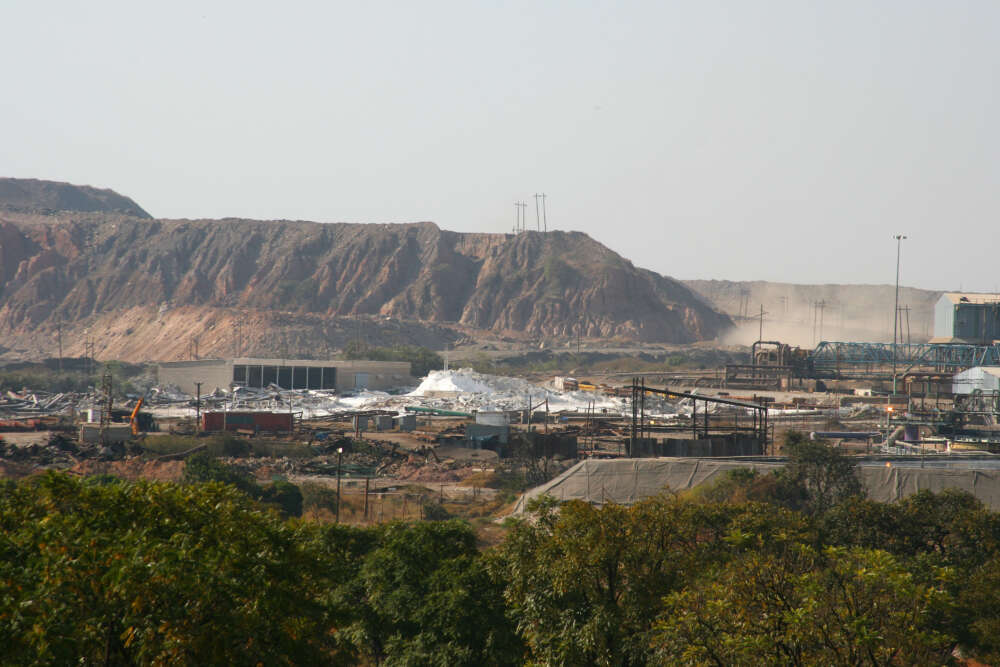
Fixing Europe-Africa Critical Raw Materials Cooperation
Africa holds a third of the world’s critical raw materials. This report shows why EU cooperation efforts have little impact and sets out five steps to build resilient value chains beyond China.