Thinking the War From the End: Insights for the War Against Ukraine
Andreas Heinemann-Grüder, Julia Friedrich, Polina Lebedeva
May 2024–November 2026
Observers of the Russian war against Ukraine are currently seeking to understand how it will end. What would victory or defeat look like for either side? What concessions would make for an appropriate “compromise”?
At the project outset, there is a low likelihood of negotiations that could lead to a formal peace agreement. But as the war persists, legal, political and humanitarian challenges will be intensifying for both sides. In the context of highly politicized debates, it is thus worth examining what conditions have caused previous wars to end, and whether these hold any lessons for the Russo-Ukrainian war.
To think the war against Ukraine in terms of a politically sustainable end, this project will study perspectives from (1) international law, (2) peacekeeping and (3) global stakeholders. The GPPi project team will be analyzing how Russia and Ukraine themselves, along with select third-party countries, envision the end state of Russia’s war of aggression. The key question the project aims to answer is: how do ideas of peace influence the path to ending war?
Briefs in the Series
Presence without Power
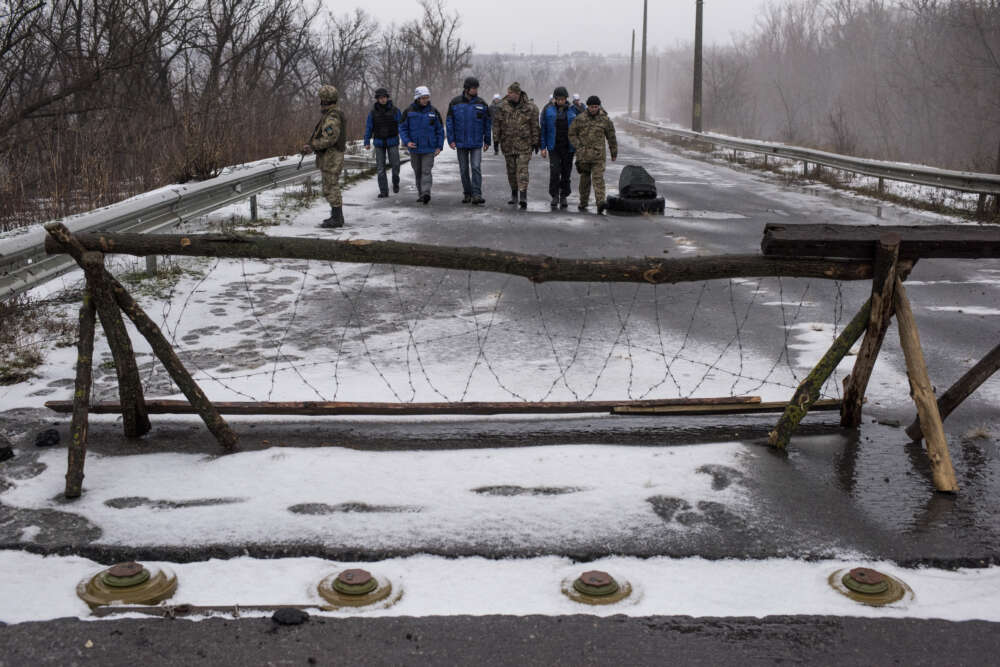
Discussions around a ceasefire between Russia and Ukraine have recently gained traction. How can we ensure that such a ceasefire will be respected and enforced? In this policy brief, Julia Friedrich and Lukasz Mackiewicz draw lessons from the first monitoring mission to Ukraine (2014−2022).
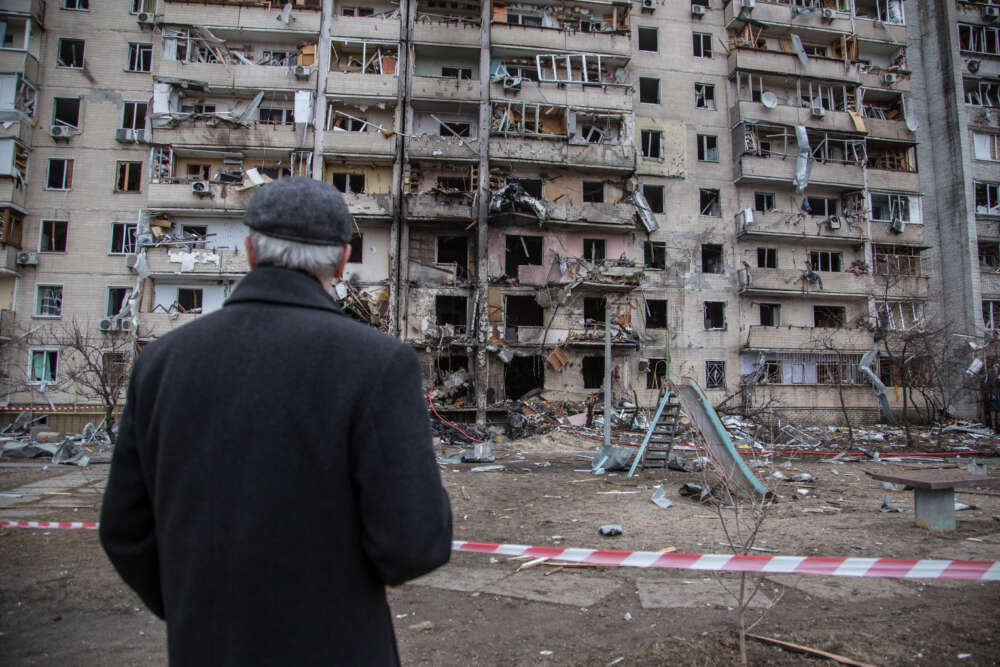
Den Krieg vom Ende her denken
Gelingt ein Trump-Putin-Deal, besteht das größte Risiko darin zu glauben, dass ein Waffenstillstand dauerhaften Frieden bringt und in der Folge die Unterstützung der Amerikaner und Europäer einbricht.
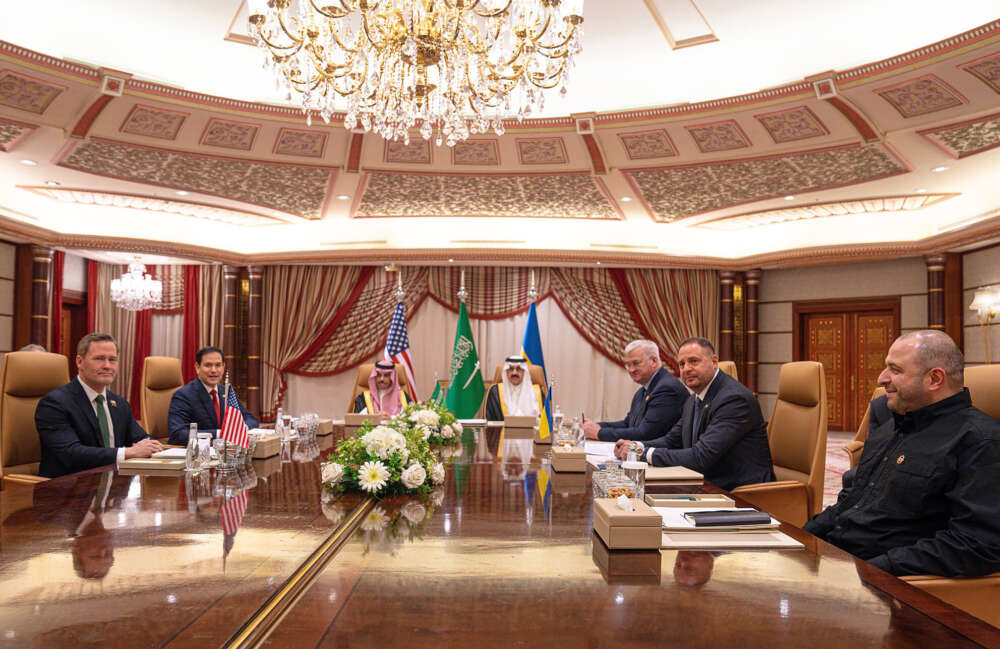
Outcome Neutral?
How and why have third-party actors engaged in mediation efforts in the Russia-Ukraine war? And, despite the limitations of these efforts, can they make a difference in the future?

Partners from the “Global South”: A Way Towards New Alliances for Ukraine?
With US and European support for Ukraine showing signs of strain, some European leaders have attempted to broaden their coalition, looking to the BRICS and Saudi Arabia to support Ukraine in Russia’s war of aggression. Julia Friedrich discusses Europe’s search for additional allies — and why it has largely failed.

Wie enden Kriege?
Die Kriegsbeendigung hängt von den angenommenen Kosten einer Fortsetzung, den Kräfteverhältnissen, der Glaubwürdigkeit von Zusicherungen und der gesellschaftlichen Akzeptanz von Kompromissen ab. Solange der Kriegsausgang mehrdeutig bleibt, wird weitergekämpft, weshalb Frieden öffentlich vertretbar sein muss und ein internationalisiertes Treuhandregime einen Zwischenschritt darstellen könnte.

(K-)Ein Ende des Ukrainekrieges?
Beobachter des Krieges und politische Entscheidungsträger fragen sich besorgt, wie Russlands Krieg gegen die Ukraine enden könnte, wie lang er dauern wird und was das ultimative Ziel der Unterstützung der Ukraine ist – die Verhinderung einer vollständigen Niederlage, die Rückkehr zum Status quo vor dem 24. Februar 2022, die Rückeroberung des Donbas und der Krim oder gar ein Regimewechsel in Moskau? Ein Überblick über mögliche Szenarien.
The project is funded by the German Foundation for Peace Research (DSF) and implemented in collaboration with Prof. Dr. Helmut Aust (Free University Berlin), Dr. Cindy Wittke (University of Regensburg), Lt. Gen. (Ret.) Rainer Glatz, and partners in Ukraine.
For more information, please contact Andreas Heinemann-Grüder.