
Rethinking Feminist Foreign Policy
After two short years, Germany’s Feminist Foreign Policy (FFP) was abruptly disbanded in 2025. This study takes stock of FFP’s influence on the Federal Foreign Office and draws lessons for any future attempts.
Global Democracy Under Attack
Anti-democratic movements are gaining ground and authoritarian powers are interfering across borders. But pro-democracy forces are adapting too, working to make democracy more resilient. GPPi studies both dynamics — the threats and the responses.

Adapting Under Austerity
Funding cuts over the last few years have hit local peacebuilders hard. This project aims to provide a first systematic account of how they are adapting to this new financial landscape.
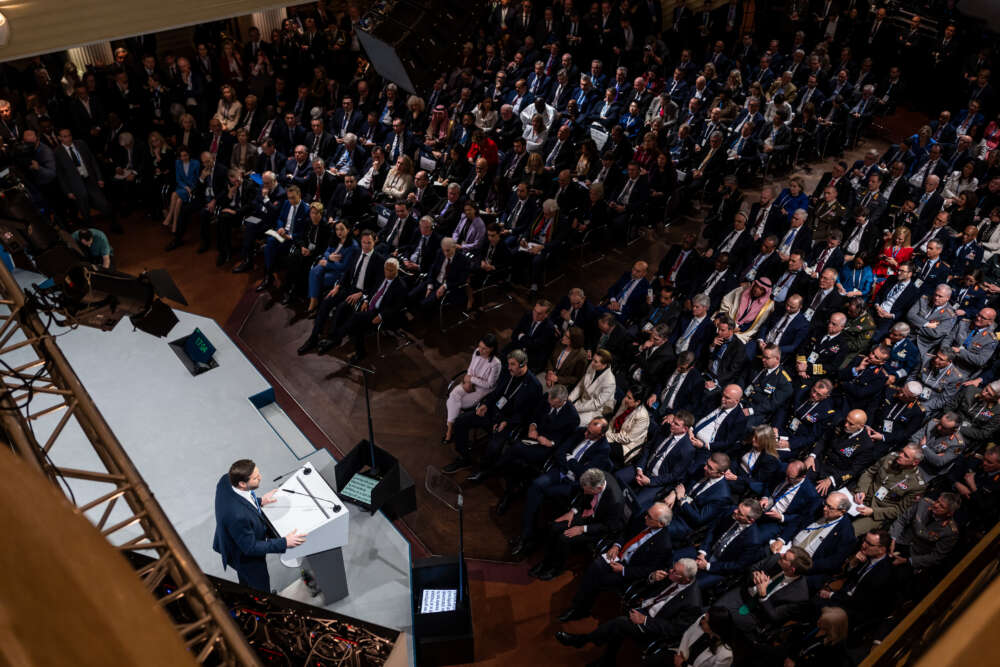
MAGA Goes Global
MAGA’s actions abroad often contradict what it claims to stand for. This paper asks whether pro-democracy actors should exploit those contradictions, and why doing so may backfire.
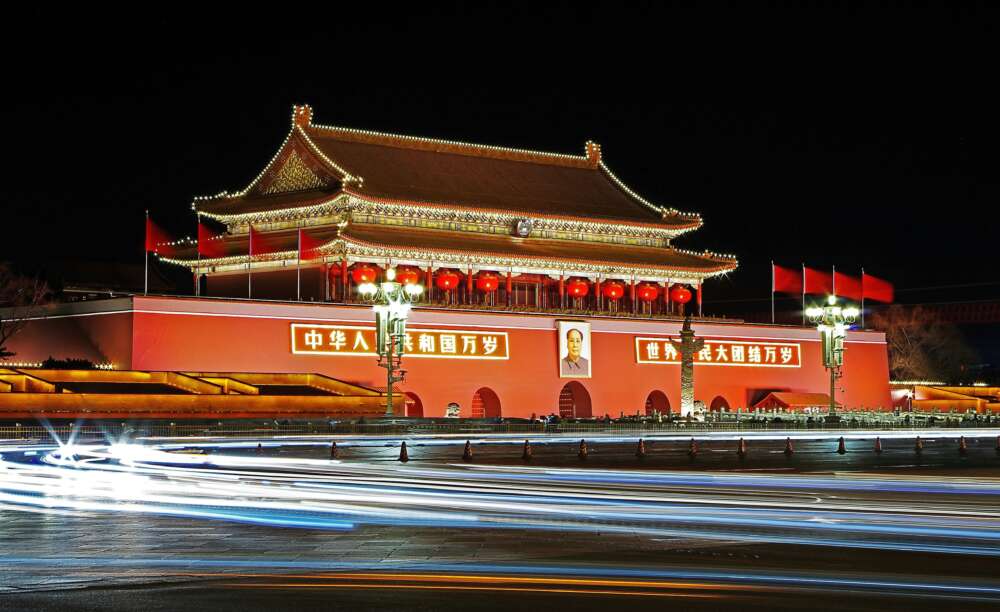
European Exposure to Chinese Power
The China Exposure Index (CEI), ranking 184 countries from 2013 to 2025 on how exposed they are to Chinese power, finds a surprising concentration of Chinese power in Europe.
New Research: Future of Global Governance
The ENSURED project recently published five brand-new research reports on the effectiveness, robustness, and democratic character of key institutions and systems governing global artificial intelligence, biodiversity, global health, sex and gender (women’s & queer rights), and global taxation.
If you’re following debates about the future of global governance, you won’t want to miss this important research.

Playing the Narrative Game
The EU’s story of global governance is no longer in step with the world in which it operates. To revamp its multilateral story, the EU must openly acknowledge constraints, explain trade-offs, and name losses honestly. Four practical steps for how to get there.
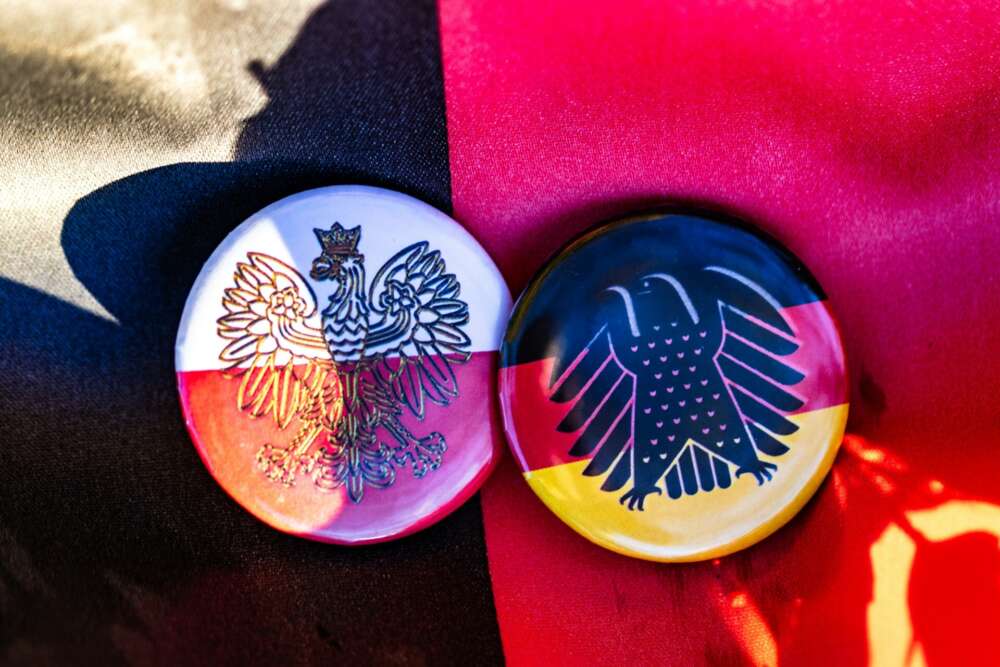
Power and Responsibility in the 'Zeitenwende'
How has Russia’s full-scale invasion of Ukraine reshaped German-Polish relations? This project will tackle this question by developing tools to measure power shifts within security policy between Berlin and Warsaw.
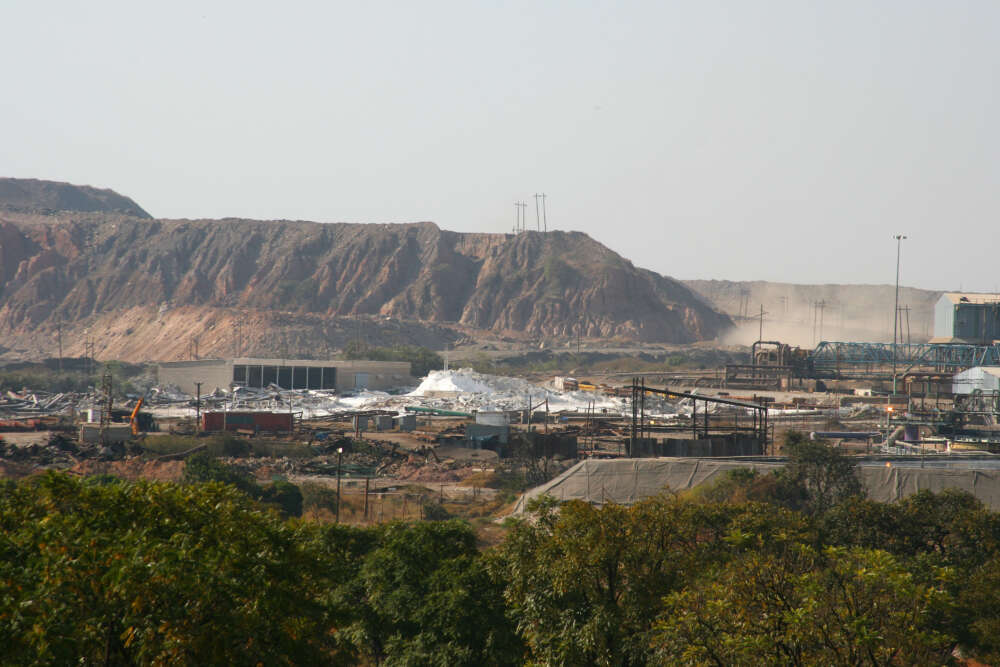
Fixing Europe-Africa Critical Raw Materials Cooperation
Africa holds a third of the world’s critical raw materials. This report shows why EU cooperation efforts have little impact and sets out five steps to build resilient value chains beyond China.
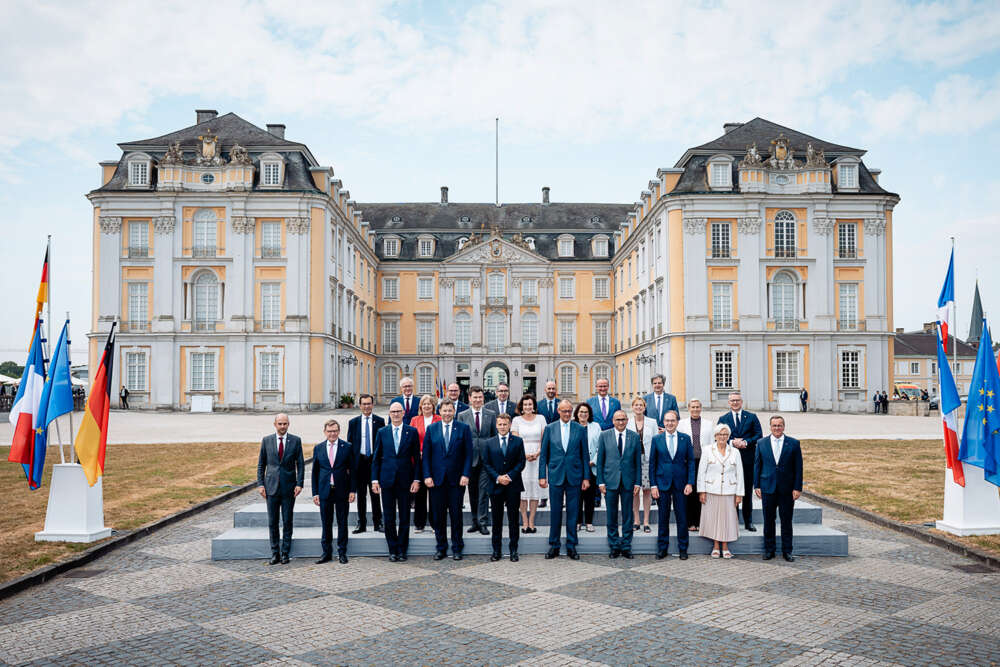
Merz kündigt still den Status quo mit Peking auf
Der Kanzler und SPD-Chef Klingbeil haben Deutschlands Chinakurs fast unbemerkt gedreht. Am Donnerstag entscheidet sich, ob Europa folgt.
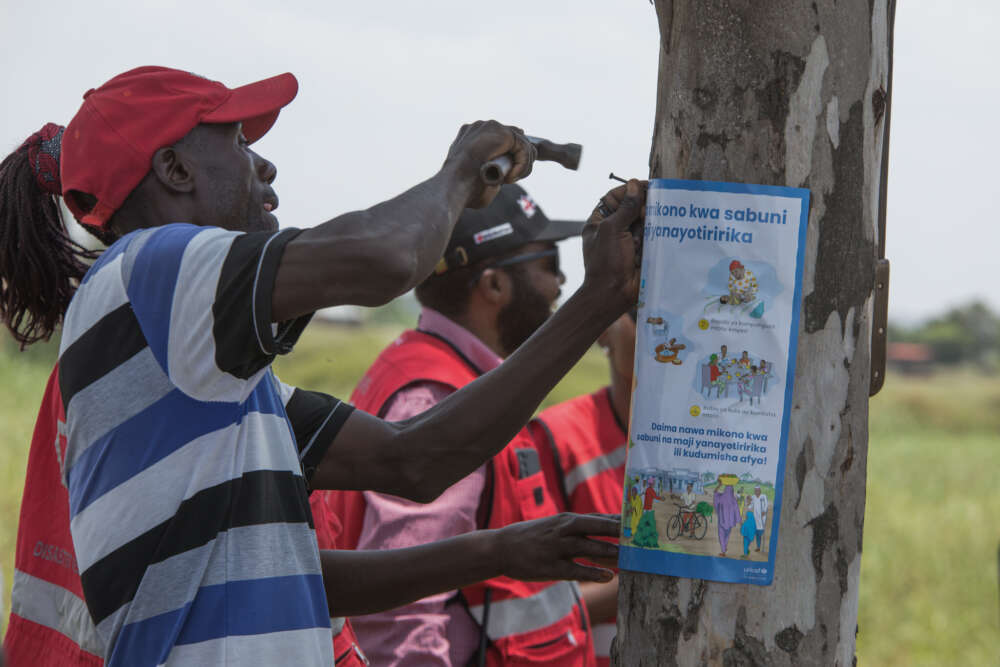
Don’t Lose What Works
The humanitarian system is facing an unprecedented funding and legitimacy crisis. As the system downsizes in response, we must protect what we know works: evidence-based approaches such as cash assistance, anticipatory action and localization.
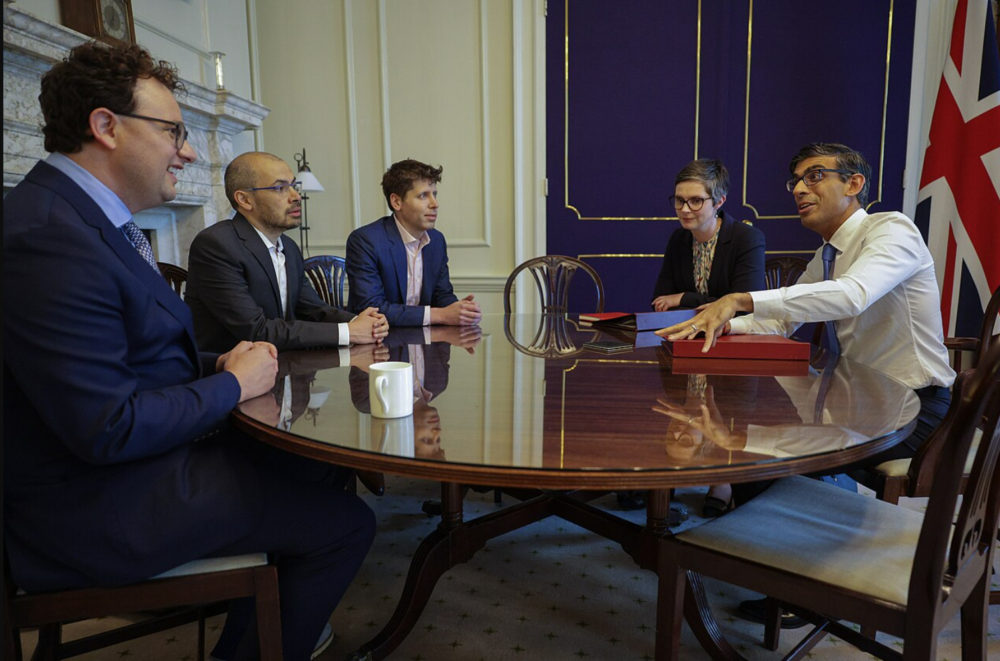
Wir überlassen die gefährlichste Technologie der Welt privaten Laboren
Während die KI-Skepsis zum Mainstream wird, stellen sich US-Präsident Donald Trump und die US-Tech-Elite gegen jede wirksame Kontrolle.