Power and Responsibility in the 'Zeitenwende'
German-Polish Security Relations Since 2022
Project Team: Julia Friedrich, Niklas Balbon, Philipp Rotmann, Monika Sus, Magdalena Lemańczyk and Lidia Gibadło
Project Partner: Institute of Political Studies at the Polish Academy of Sciences (ISPPAN)
Project Duration: July 2026-December 2027
Funded by German-Polish Science Foundation (DPWS/PNFN)
Whose interpretation of the Russian threat to European security sets the agenda in Europe, and who defines what a responsible security policy looks like? Since February 2022, the answers to these questions have shifted, with implications for Germany and Poland that reach far beyond the bilateral relationship.
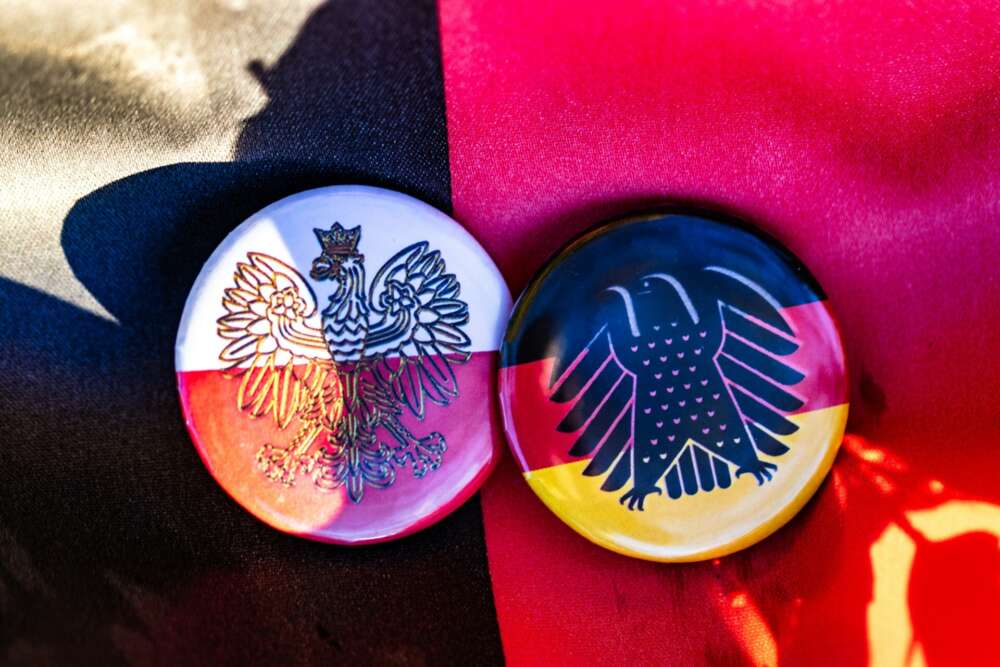
Russia’s full-scale invasion of Ukraine largely vindicated Warsaw’s threat assessment, while exposing the flaws in many of Berlin’s previous assumptions about European security. In the years since, Poland has emerged as a more self-confident security actor; Germany, meanwhile, came away from this “watershed moment” (Zeitenwende) with a dramatically changed course geared toward increased defense spending and rearmament.
This project examines how these shifts are reshaping German-Polish relations and what they mean for European security more widely. To trace these dynamics, we are developing tools to measure power shifts within security policy between Poland and Germany. We will also investigate changes in the normative perceptions of responsibility and leadership on both sides. Additionally, we will bring German and Polish practitioners from government, research and civil society together for a scenario exercise, working through how bilateral and European relations could plausibly develop and how each side can best prepare for different futures.
The project aims to brief decision-makers in Berlin, Warsaw and Brussels directly, while publishing its academic and policy findings for broader use.
For further questions, please get in touch with Julia Friedrich (jfriedrich@gppi.net).
This project is implemented in partnership with the Institute of Political Studies at the Polish Academy of Sciences (ISPPAN). This project is funded by German-Polish Science Foundation (DPWS/PNFN). We gratefully acknowledge their support which makes this project possible.