A Race for Warmth
The images coming out of Ukraine these days are devastating. Russian strikes are plunging cities into darkness, tens of thousands of homes are left without heat, and hospitals are forced into emergency mode, all in temperatures as low as minus 15°C. The outrage at the brutality of this type of warfare is justified. But the truth is that some of this humanitarian distress was preventable – and could have been mitigated by more decisive action from partner states.
Since 2022, Russia and Ukraine have been locked in a cat-and-mouse game: Ukraine tries to protect energy infrastructure and manage outages, while Russia works systematically to circumvent those protections through technical innovation, tactical adaptation and mass strikes. The fact that Ukraine is enduring its harshest winter yet in the fourth year of the full-scale invasion shows who is currently winning this race. How has it come to this?
On the Ukrainian side, two variables have largely determined this outcome. First, the effectiveness of air defense – not just the number of defense systems, but also ammunition, maintenance, spare parts, training and command. Second, the resilience of the energy system – hardening critical nodes, forward-planning replacement logistics, decentralized generation and storage, and repair chains that keep functioning under pressure. Over the past year, the Western allies have not strengthened either of these at the speed or scale required and have thereby played into Moscow’s hands.
With the effectiveness of Ukrainian air defense down compared to previous winters, this first variable has proven particularly consequential this winter. In the first two weeks of January 2026, Ukrainian Air Force data show that only 36 percent of Russian missiles was intercepted, compared to an average of around 60 percent (October 2022 until now).
Russia, on the other hand, has improved its tactics. It is now relying more on combined salvos, ballistic missiles, greater variation in flight profiles and above all, sheer volume. In 2025, the Air War Monitor recorded roughly 56,700 air attacks – more than four times as many as in 2024. That is precisely why Western support policy is so difficult to defend: we know the adversary learns and scales, yet we are not scaling our support accordingly.
The tightest bottleneck is the costly and scarce air defense ammunition. In mid-January, Ukrainian President Volodymyr Zelenskyy admitted openly that some Western systems had, at times, faced a complete lack of ammunition. This is largely due to the as of yet inadequate industrial capacity to produce these complex high-tech interceptors. And even where there is enough ammunition, a second constraint plays up: the trade-off between national stockpiles and Ukraine’s needs. Cold apartments in Ukrainian high-rise blocks this year are also an indirect consequence of these decisions.
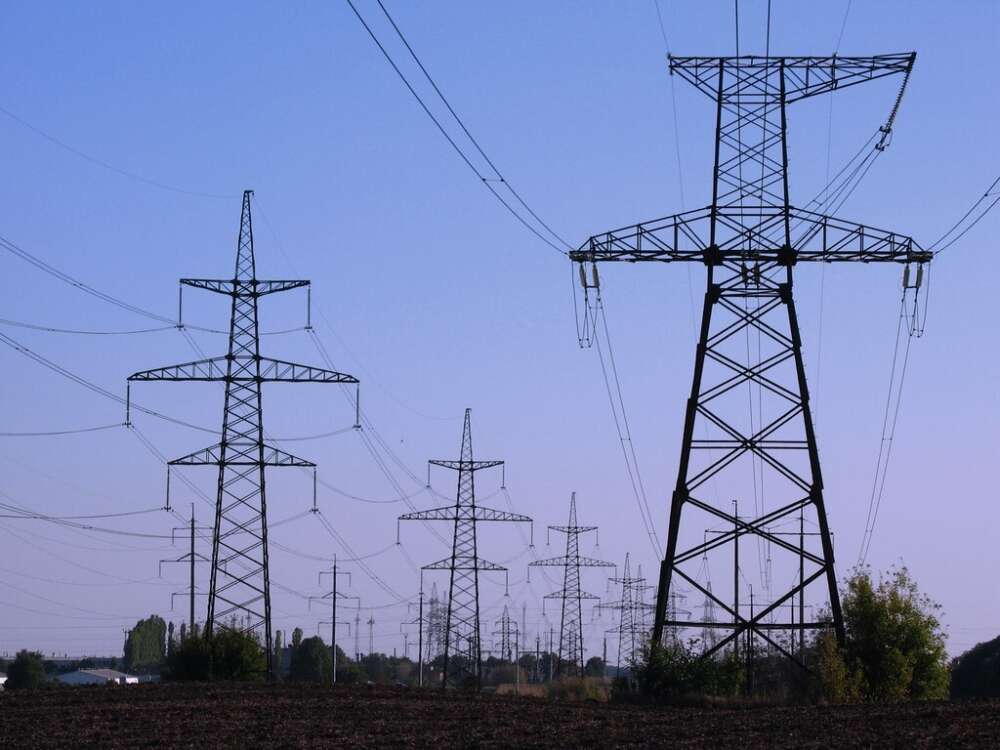
The second variable the West can influence directly is the resilience of Ukraine’s power grids. Even for prioritized protection, replacement and repair measures, the “Ukraine Energy Support Fund” faced a shortfall of 387million EUR in January 2026. Ukraine’s financial needs are massive. Not only do they need large amounts of funds to restore destroyed infrastructure today, but also for preventive measures: if systems are to be better protected in the future, they must be hardened with bunkers, back-ups must be created, and critical large components must be stockpiled. Transformers, in particular, are scarce globally and have long lead times. Europe has stocks and support mechanisms, but no sufficiently scaled, dedicated reserve for Ukraine.
The severity with which the humanitarian crisis is unfolding in Ukraine underlines the need for course correction. First, funding gaps in energy security must be closed as quickly and sustainably as possible and reserves of critical components must be built up. Second, on munitions, we need to revisit the balance between domestic reserves and deliveries to Ukraine – at least until production increases drastically. Even if undersupplying ourselves also poses a risk, Europe’s greatest vulnerability remains a Russian success in Ukraine. Third, we must strengthen Ukraine’s ability to undermine the Russian military infrastructure that enables air attacks.
Fourth, we need to end our self-imposed taboos. If the problem is the overburdening of Ukrainian air defense, the obvious question is: Why not relieve it where it is legally and operationally possible? For instance, EU neighbors could protect parts of Ukraine’s western airspace. While there is a fear we might be placed in a position of having to shoot down a Russian pilot there, it is mostly hypothetical – the Russian air force has avoided the western Ukrainian airspace for years.
Painful as it is, there is a high likelihood that Ukraine will be under Russian attack next winter, too. Europe can help ensure that Ukraine’s population gets through it better by taking the right decisions now.
This commentary was originally published in German by Frankfurter Rundschau on January 30, 2026.