Evaluation: UNHCR’s Policy on Cash-Based Interventions
Project Team: Elias Sagmeister, Alexander Gaus, Karla Kröner, Sarah Bailey, Louisa Seferis, Neil Ferguson, Paul Harvey, Loïc Couasnon
Duration: Fall 2025-Fall 2026
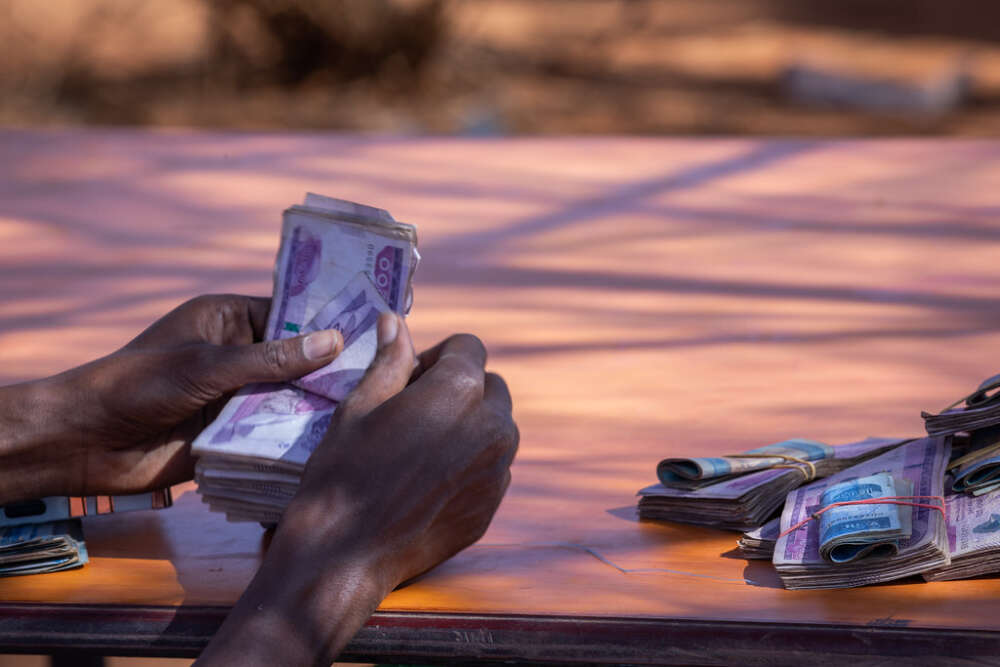
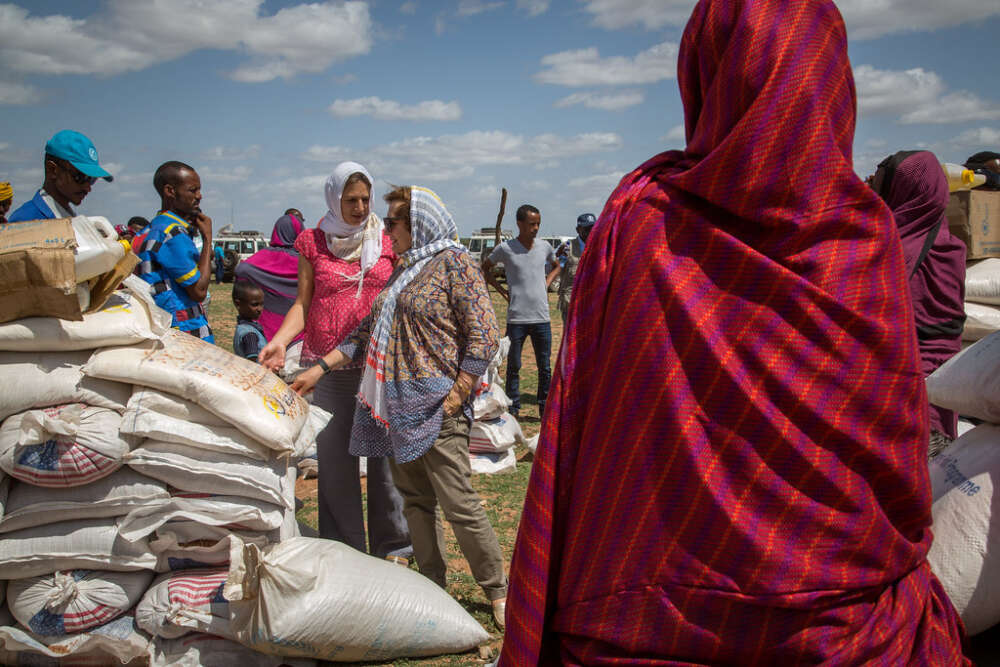
Increasingly, humanitarian organizations are providing those affected by crisis with cash rather than goods (such as food or certain relief items, like household supplies). This allows recipients to decide for themselves what their most urgent needs are. In contexts where economic markets are functioning, cash-based interventions thus provide a more dignified, flexible and efficient form of support than the more traditional goods-based aid. What’s more, cash assistance can help stimulate and strengthen local economies.
UNHCR’s 2022 – 2026 Policy on Cash-Based Interventions
The United Nations High Commissioner for Refugees (UNHCR) is one of the largest providers of cash assistance worldwide, having delivered cash transfers to more than 20 million people in need across more than 100 countries (2022−2024). Guided by the 2022 – 2026 Policy on Cash-Based Interventions (“the Policy”), UNHCR aims to help people to “meet their needs in dignity, be protected, and transition to sustainable solutions through the expanded and innovative use of efficient and effective Cash-Based Interventions” (p. 4). The Policy commits the organization to scaling up cash as a priority modality and sets the expectation for UNHCR decision-makers to ask “Why not cash?” when determining the best way to support affected people. It also describes UNHCR’s unique position and accountability for coordinating cash-based interventions in refugee contexts.
UNHCR has commissioned the Global Public Policy Institute (GPPi), in collaboration with independent experts, to conduct a strategic evaluation of its 2022 – 2026 Policy on Cash-Based Interventions. This evaluation comes at a pivotal moment: not only is the Policy approaching its end date, the humanitarian sector is also facing increased pressure to reform, following across-the-board funding cuts. Cash-based assistance could play a central role in this reform, as an efficient and dignified way to stretch limited funds.
The evaluation synthesizes evidence on how UNHCR has translated its ambitious vision for cash-based assistance into practice across diverse operational contexts. The evaluation’s overarching purpose is to inform UNHCR’s future policy development, strengthen its strategic partnerships and programmatic approach, and help the agency fully leverage its comparative advantage in delivering cash-based assistance to forcibly displaced populations.
Methodology and Objectives
The evaluation is guided by the following key questions:
- To what extent has UNHCR implemented its policy on cash-based interventions?
- Does the design and implementation of UNHCR’s cash-based interventions align with the operational context and priorities of forcibly displaced people?
- How efficient is UNHCR’s cash-based programming?
- What difference has it made in the lives of forcibly displaced people?
- How has UNHCR’s role influenced the broader cash-based response?
The evaluation employs a mixed-methods approach, combining quantitative and qualitative data analysis. The design is utilization-focused, participatory and theory-based. At the heart of the evaluation are four in-person case studies (Afghanistan, Lebanon, Armenia, Uganda) and four remote case studies (Egypt, Ukraine, Sudan, Brazil), which allow for in-depth analysis across different operational settings. It combines these case studies with focus group discussions and key informant interviews at the country level, as well as the regional and global level. Additional components include an online survey, secondary data analysis (quantitative and qualitative) and a document review.
The evaluation runs from fall 2025 through fall 2026.
For more information, please contact Elias Sagmeister.