Fixing Europe-Africa Critical Raw Materials Cooperation
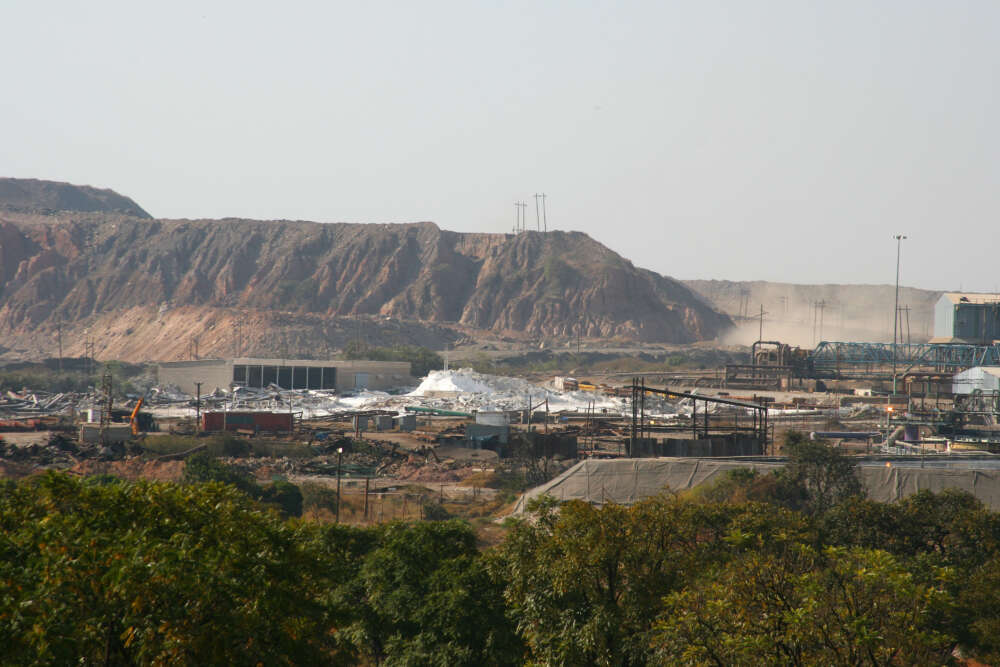
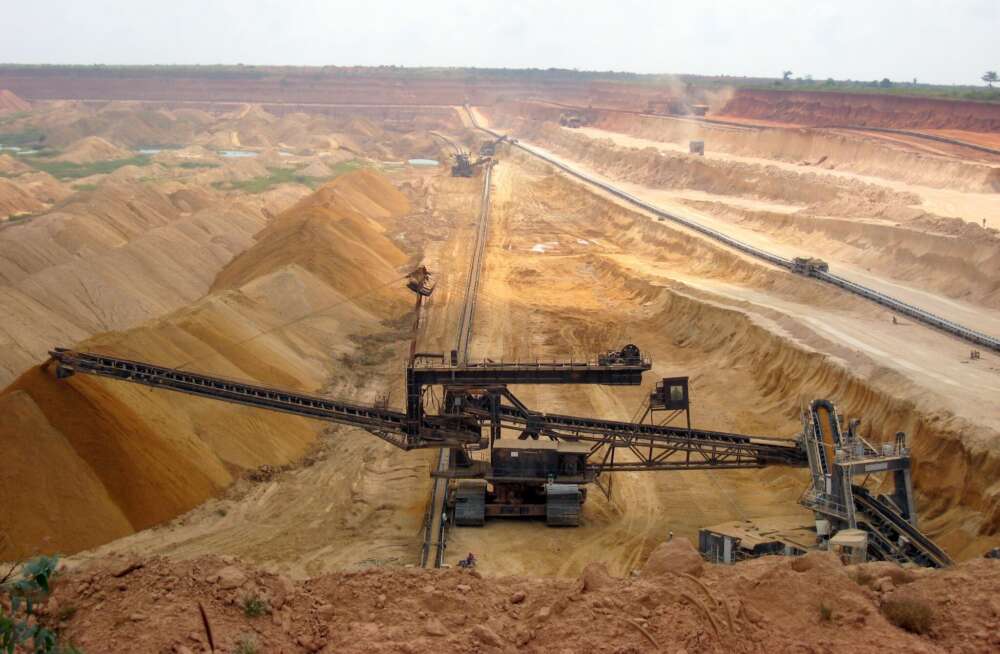
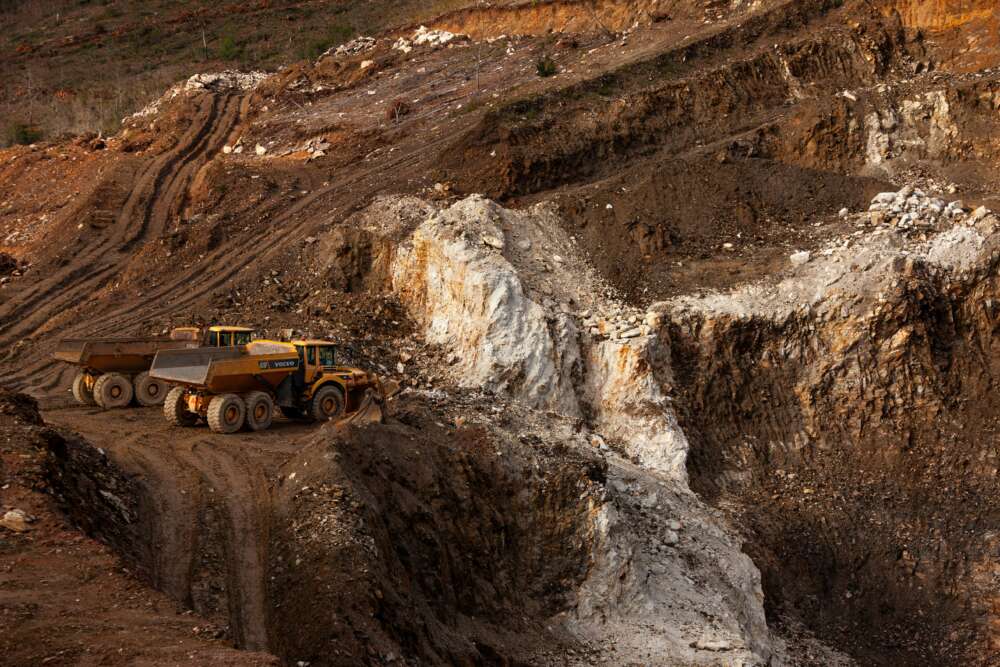
If Europe is to overcome its current dependence on China for critical raw materials (CRM), cooperation with African countries must be an integral part of its efforts. Around a third of the world’s known CRMs — which are indispensable for Europe’s core industries, green and digital technologies and the defense sector — are located on the continent. For certain minerals, this share is significantly higher. Considering that exploration spending across Africa has historically been lower than in other world regions, the continent’s actual potential is likely to be even greater.
Many African governments have long-standing aspirations to better leverage their mineral sectors for economic development. They often especially want to advance local processing, which fundamentally fits Europe’s agenda to diversify its CRM sources beyond China (even though the European Union (EU) also aims to process at least 40 percent of its CRM demand domestically). Increasing fiscal revenue and developing key infrastructure are also common priorities that offer clear avenues for European engagement.
The fact that European and African interests are broadly compatible does not in itself guarantee successful cooperation, however. In many African countries, weak energy and transport infrastructure, limited domestic capital, insufficient technical capacity, political conflicts over the control and distribution of revenues, and recurrent waves of resource nationalism hinder the effective development and growth of mining and processing industries. Another barrier is rooted in China’s self-reinforcing global dominance in minerals processing. Beijing has fashioned its minerals industry into a state-backed and vertically integrated powerhouse and achieved a position from which it can control global supply and prices strategically. Any (in this case, African) newcomer will have a hard time competing in this environment and will find European clients in industries that ultimately turn materials into final products largely unwilling to pay a higher price for its goods. Finally, Europe is only one of several actors engaging with African states on CRMs, including an entrenched China but also G7 partners like the United States and Japan, the Gulf states, and others. Those actors’ agendas sometimes complement European aims, but also often create complications.
EU and EU member state activity on CRMs in Africa has expanded since 2021. Since then, the EU has launched five EU-level strategic raw materials partnerships with African countries (alongside various bilateral member state agreements) and designated certain ventures as “strategic projects” that it seeks to support in finding financing and offtake solutions. The European Investment Bank and other European financing institutions have expanded their support for CRM projects. However, these efforts fall short of what is needed. Currently, out of the 60 EU strategic projects worldwide, only five are located in or connected to Africa; none of these projects have reached a final investment decision, while many continue to face substantial challenges. More broadly, projects enabled by EU or member state financing (or other direct support) remain few and far between, as do cases in which European firms act as investors, committed offtakers or project developers.
Two fundamental assumptions underpinning Europe’s cooperation approach have proven misguided: (1) that diplomatic frameworks would by themselves mobilize private investment and (2) that alternative value chains could be incentivized and sustained through market mechanisms without active industrial policy. Accordingly, developers consistently report that a lack of demand at viable prices and difficult access to financing remain central obstacles. In addition, operational and political challenges in host states also arise regularly, even though developers tend to see them as a less salient challenge.
If Europe is serious about leveraging cooperation with Africa to strengthen its CRM supply security, its approach must become far more intentional and determined. Five strands of action are key. Europe must do the following:
1. Consistently structure CRM partnerships along priority projects
Cooperation efforts should consistently be anchored in concrete projects (ideally, clusters of projects), with joint commitments from the EU, member states, partner governments, and industry to bring the projects to fruition. Rather than waiting for applications from private developers, European institutions should actively establish a systematic framework of priorities, identify promising initiatives and develop them in concert with partner governments and suitable industry actors. Integrating each individual project into a viable end-to-end value chain outside China is critical. Designated projects should receive comprehensive political, financial and operational backing.
2. Ensure reliable demand at viable prices and suitable financing solutions
Ensuring that CRM projects find reliable demand at viable prices remains a key difficulty. One way to achieve this would be by adopting broad measures such as diversification requirements for European industries (generating a minimum level of demand for non-Chinese CRM) or price floors backed by tariffs (ensuring a viable offtake price). If the EU and member states cannot agree on such solutions soon, they will need to take action at the level of individual projects. One instrument to do so is contracts for difference, under which a public institution and a company agree on an offtake price in advance, with the public institution covering the gap if market prices turn out to be lower and receiving the surplus if market prices turn out to be higher. This could be complemented by a European stockpiling scheme acting as a strategic buyer. Europe’s fragmented financing landscape should be consolidated to make funding more accessible. Instruments need more flexibility and resources to provide financing in the form most suited to each project, including the possibility to take ownership stakes in projects and to provide support at early stages of development. Environmental, social and governance (ESG) standards should be incorporated into financing conditions in a way that promotes continuous improvement rather than creating an additional upfront barrier to entry; the EU and its member states should also provide active support to help projects meet such requirements.
3. Build an institutional setup that can deliver this Europe – Africa cooperation model
To take up an active role in driving priority projects as envisaged here, Europe’s institutional setup needs to be up to the task. The EU CRM Centre that the European Commission is currently setting up should play a central role in advancing EU CRM efforts across the globe and should be equipped with corresponding resources. Coordination between key directorates-general in the European Commission needs to improve markedly, underpinned by a clearer political mandate that establishes supply security as the clear overarching objective. EU delegations should be reinforced with technical expertise and enabled to play a clearer lead role in coordinating European CRM-related activities on the ground. EU member states can help achieve these goals through better information sharing and greater emphasis on aligning their activities in areas such as CRM project financing and development cooperation along agreed common goals.
4. Act jointly with international partners
Europe should actively shape emerging formats such as the G7 Critical Minerals Resilience and Production Alliance (a partnership to secure and diversify CRM supply chains) and the Forum on Resource Geostrategic Engagement (FORGE, a US-led trade and investment coalition). Europe should also ensure that those African partners that are committed to substantive cooperation are adequately included within these formats. At the project level, third countries with strong expertise from their domestic mining and processing sectors (especially G7 partners such as Canada) can play a key role in advancing projects operationally and finding solutions for integration into supply chains outside China. Additionally, harmonized due diligence and ideally single-point-of-entry arrangements with close partners for joint project financing would reduce transaction costs for developers.
5. Ensure that successful projects improve EU supply security
In return for mobilizing resources on this scale, Europe should secure robust and transparent contractual commitments guaranteeing access to an adequate share of CRM production from the projects it supports. Recent cases demonstrate the importance of firmly ensuring with partner governments, industry actors and (where relevant) other external actors that non-European players cannot simply take over projects after years of painstaking development. Europe must also address directly with partner governments the potential risk of policy changes in host countries that could undermine European interests. Its leaders must present a credible partnership offer but should also make it clear that the success of joint CRM projects is of vital European interest and that partners reneging on critical agreements will face consequences. Being explicit about such expectations is not in tension with genuine partnership. Rather, it underlines the character of Europe – Africa CRM cooperation as an interest-based bargain that both sides take seriously.
—
This study was funded by the Calouste Gulbenkian Foundation. We thank the foundation for its support and for excellent cooperation throughout the project. The views expressed are solely those of the authors.