Who Gets Aid in a Resource-Constrained Environment
Lessons From Our WFP Evaluation on Targeting and Prioritization
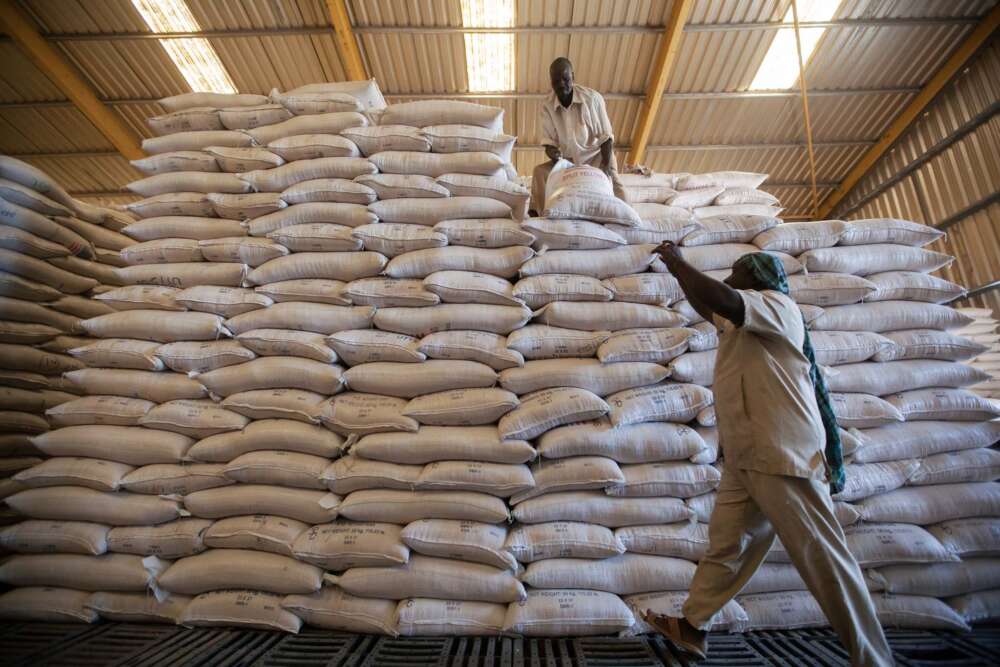
Conflict, climate shocks and economic instability have dramatically increased the number of people in need of assistance. In countries supported by the World Food Programme (WFP), the number of people facing acute food insecurity has more than doubled since 2019. At the same time, available funding has failed to keep pace — and has fallen significantly in recent years following reductions by key donors.
This growing gap between needs and resources has placed humanitarian organizations under intense pressure. For WFP, constrained funding has triggered organizational changes, workforce reductions and tighter budgets, while country offices have been asked to plan on the basis of realistic, resource-informed portfolios rather than full assessments of need. Moreover, it led to operational consequences and difficult choices. In many contexts, programs have been scaled back, rations reduced and assistance increasingly concentrated on those deemed most vulnerable among all those experiencing food insecurity. Such measures illustrate how WFP’s ability to act in accordance with humanitarian principles – including that of “humanity,” the imperative to address human suffering wherever it is found – is increasingly challenged. And with this, WFP is not alone. These trade-offs are currently shaping humanitarian action across the system.
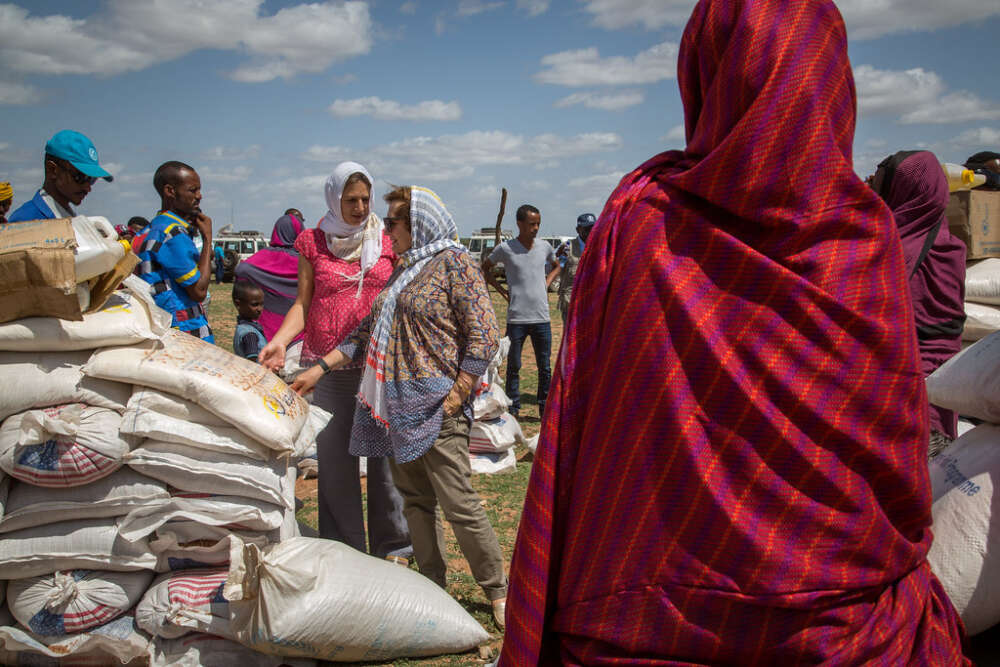
Targeting refers to the process of selecting communities, households and/or individuals for assistance, based on program objectives and needs assessments, and with the participation of communities.
Prioritization refers to deciding which people within a targeted population receive assistance when overall identified needs cannot be met or when entitlements are reduced due to resource constraints.
Against this backdrop, and amid heightened scrutiny of targeting and prioritization practices, WFP has commissioned the Global Public Policy Institute (GPPi) to conduct an independent strategic evaluation of WFP’s approaches to targeting and prioritization for food and nutrition assistance. The evaluation looked at how WFP decides who to support and how to set priorities — from high-level rules and guidelines to how these decisions are made in practice on the ground. It examined both the strategic thinking behind these choices and how they are implemented in operations, with a focus on whether they help WFP reach the people most in need.
Here are some of the evaluation’s findings:
- Stronger Frameworks, But a Need for Clearer Direction
The evaluation finds that WFP’s frameworks and support structures for targeting and prioritization have improved significantly in recent years and generally work well. Global and regional support has helped strengthen field practices. However, country offices are calling for clearer strategic guidance.
- Multiple Approaches, Limited Flexibility
WFP has a solid understanding of different targeting approaches, including status-based, data-driven and community-based methods, which are often combined and are increasingly taking vulnerability into account. While these approaches are generally well-suited to the respective contexts, their relative costs remain unclear. In addition, targeting and prioritization processes are not always agile or cooperative enough, limiting WFP’s ability to adapt quickly and to fully benefit from working more closely with partners.
- Reaching Many, But Often with Too Little
The evaluation shows that WFP generally reaches food-insecure populations, but assistance is frequently spread too thin. Faced with funding constraints, WFP has often reduced rations or shortened assistance rather than limiting the number of people reached. This raises a central ethical dilemma between supporting a large number of people at a minimal level or fewer people with enough assistance to make a meaningful difference. Encouragingly, the evaluation notes that there have been recent efforts to better manage this trade-off.
- Implementation Matters
How targeting and prioritization are carried out on the ground often matters more than the chosen approach. Weak implementation — linked to limited partner capacity, outdated data and insufficient transparency — can lead to so-called inclusion and exclusion errors and can undermine community trust. The findings point to the need for stronger oversight, clearer communication with affected people and more effective feedback and verification mechanisms.
- The ‘North Star’: Clarity in a Constrained System
Finally, the evaluation underscores that deep funding cuts are forcing WFP to make increasingly difficult choices. These pressures expose unresolved dilemmas in targeting and prioritization and make it urgent for WFP to clarify its principles and strategic direction. Clearer guidance would help ensure that trade-offs are made consistently, transparently and in line with WFP’s humanitarian mission.
Four Recommendations to Guide Targeting and Prioritization in Times of System-Wide Crisis
- Support country offices in prioritization decisions by more clearly articulating WFP’s strategic focus and positioning in order to strengthen their targeting and prioritization rationales: Faced with unprecedented budget cuts, country offices need more support in navigating the trade-offs inherent in targeting and prioritization. WFP should provide clear strategic guidance on the matters central to program design and targeting and prioritization (for example, upholding minimum levels of emergency assistance). It should also advocate with donors for space to follow these directions.
- Uphold targeting and prioritization standards by making guidance and tools more accessible, enforcing compliance with minimum standards and safeguarding capacity: The evaluation team suggests that WFP employs measures in its efforts to maintain its targeting and prioritization standards (for example, maintaining the relevant staffing or holding country offices accountable for verifying beneficiary lists) during this period of diminishing financial and human resources.
- Support country offices in adopting more transparent, more agile and more cost-effective targeting and prioritization approaches: WFP can take the steps to help its country offices become more transparent, agile and cost-effective in their targeting and prioritization practices. This is important to address existing weaknesses in targeting and prioritization practices and to adapt to a more volatile and resource-scarce environment.
- Strengthen the interoperability of WFP’s own data systems and common data systems or data sharing with other humanitarian agencies for targeting and prioritization: Effective targeting and prioritization hinge on the availability of accurate data. Collecting and updating such data requires a major investment of resources. In a very resource-constrained environment, WFP should therefore adopt more cooperative and more efficient approaches to data collection and management.
The evaluation covered the period from January 2019 to May 2025 and was global in scope, encompassing all regions and WFP organizational levels. Case studies were conducted in the country offices for the Democratic Republic of the Congo, Jordan, Nigeria, Sri Lanka and South Sudan, and two further case studies were conducted remotely for the Dominican Republic and Haiti. The evaluation findings are based on 301 key informant interviews, consultations with 423 affected community members, 91 responses from employees from 52 country offices via an online service, and a review of key documents and data.