India and China: Leaders of the Global South?
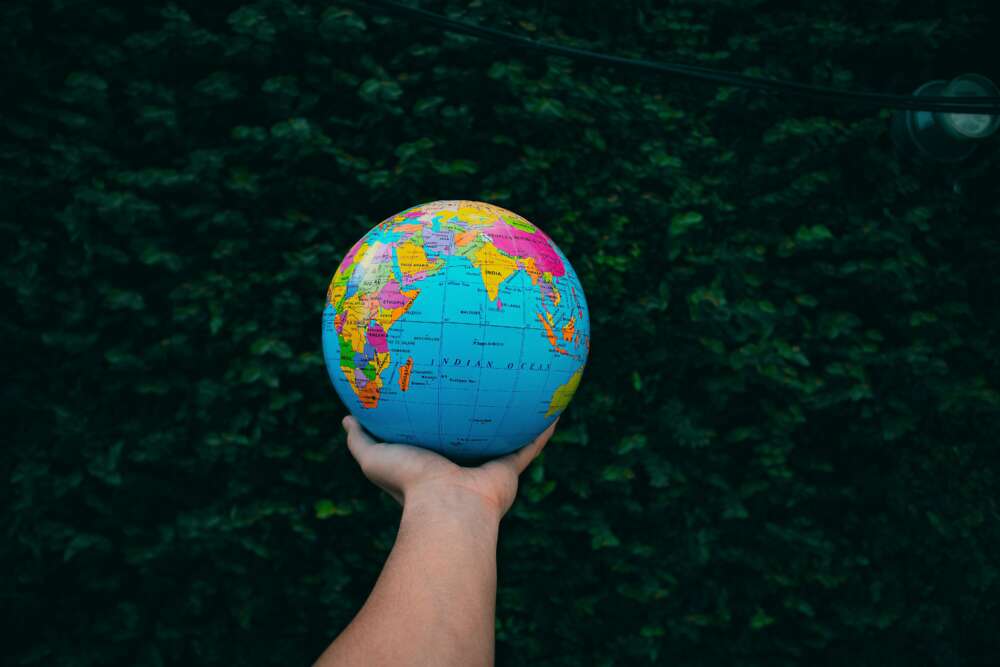
China and India increasingly present themselves as leaders of the Global South — a term that remains vaguely defined and politically contested. Both invoke historical experience and solidarities to signal alignment with developing countries’ interests. Amidst geopolitical ruptures, this has created alternative avenues of engagement beyond Western partners. For European policymakers, this underscores the need for a more nuanced and strategic engagement with the Global South — one that takes seriously the interplay of Chinese and Indian ambitions and avoids simplistic assumptions about leadership or solidarity.
This dossier brings together perspectives from China and India on their respective objectives and strategies toward the Global South. It also includes analyses by experts from Chile, Indonesia, Kenya, and Sri Lanka, who examine how persuasive China’s and India’s leadership actions and narratives are in their respective national contexts. A further article explores what Europe must do to remain an important partner for Global South countries.
The dossier is an initiative of the Heinrich Böll Foundation’s Delhi and Beijing offices, with conceptual input and curation from Joel Sandhu. It is part of an ongoing effort to foreground diverse perspectives from across the Global South on shifting global power relations.
Find all the articles in this dossier over at the Heinrich Böll Stiftung.
This dossier was originally published by Heinrich Böll Stiftung (Delhi and Beijing offices).

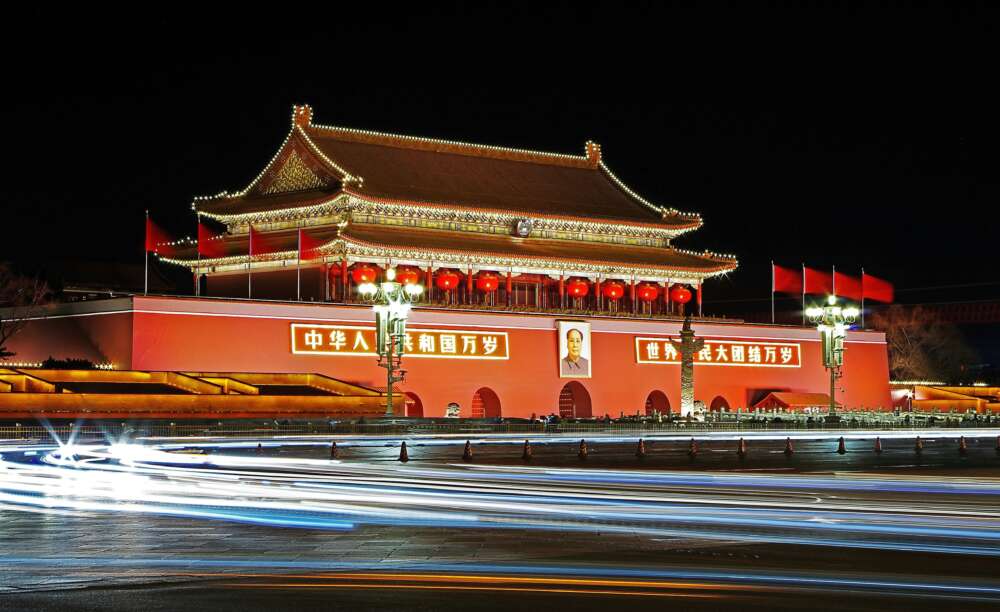
The Global South in Search of Leadership: A Chinese Perspective
This article analyses China’s engagement with the Global South in the context of India’s rise, evolving US policy under Trump 2.0, and competing development models.
Key messages:
- China’s core objective in engaging with members of the Global South remains the pursuit of mutual economic opportunities through trade and investment. The extensive and structural need for growth throughout the developing world creates ample space for contributions from China, India, and other emerging economies.
- By projecting a ‘collective rise of the Global South’, China offers assurance of partnership rather than a locomotive-style of stewardship in policy or material support. This can help resonate with the insistence on sovereignty and practices of poly-alignment in diplomacy.
- Development initiatives proposed by China deliver public goods in the Global South. In turn, long-term infrastructure projects can help enhance connectivity of all economies of the world.
- Some countries in the Global South may have preferred to have a China that takes clearer moral positions on incidents of injustice within or against societies in the Global South. The Chinese offer of a dialogue on civilizations is an attempt to address the imbalance between the material and ideational disconnect.
- The advent of Trump 2.0 incentivises the Global South to tone down the rhetoric for change in the international system. Meanwhile, with the prospect of Trumpian policies continuing, countries of the Global South are seeking stability by strengthening relationships amongst themselves.
Read the full article here.
India and Its Quest for Leadership of the Global South
India’s political ambition for Global South leadership emanates from an enduring commitment to self-determination, multilateralism, and a quest for a more equitable global order.
Key messages:
- India’s pursuit of leadership in the Global South is anchored in its historical experience of non-alignment and its growing economic weight, using these to strengthen strategic autonomy and advance a multipolar order aligned with its values and interests.
- Emphasising cooperation over competition, India frames its engagement as amplifying the collective voice of the Global South, underscoring sovereignty, agency, and equitable representation rather than a top-down model of leadership.
- India’s initiatives in development cooperation — from digital public infrastructure and renewable energy to vaccine diplomacy — provide important public goods and showcase alternative pathways for growth, though their scale remains modest compared to China’s infrastructure-led model.
- Despite convening summits and drawing on its democratic credentials, India’s influence is tempered by the diversity of the Global South, where not all states share its political values and where symbolic actions must be matched by more substantive outcomes.
- In an era of heightened contestation marked by US unilateralism and China’s material dominance, India seeks to position itself as a bridge-builder and stabiliser, while facing the challenge of matching expectations with deliverable capacity.
Read the article here.
Perspectives
Europe: Rethinking Europe’s Engagement with the Global South
Read the full article (by Manisha Reuter).
Kenya: Kenya’s Stakes in the Global South
Read the full article (by Dr. Cliff Mboya).
Indonesia: Leadership for the Global South: A View from Indonesia
Read the full article (by Tobias Basuki).
Sri Lanka: Can Sri Lanka be a Fence-Sitter?
Read the full article (by Dr. Dushni Weerakoon).
Chile: Chile’s Foreign Policy in a Time of Hegemonic Interregnum
Read the full article (by Prof. Marcos Robledo Hoecker).