Evaluation: WFP’s Approach to Targeting and Prioritization
Project Team: Julia Steets, Alexander Gaus, Elias Sagmeister, Patrice Chataigner, Karla Kröner
Funded by: World Food Programme
Duration: September 2024-December 2025
Humanitarian organizations are facing the daunting challenge of meeting rising humanitarian demands with dramatically diminishing resources. Between 2019 and 2024, the number of people experiencing acute food insecurity has more than doubled (2019 Global Report on Food Crises, 2020 to June 2024 GORP). At the same time, funding has been steadily declining since 2022, with an even sharper drop this year, leading to mounting resource pressures.
Humanitarian organizations have to make tough decisions about whom to assist, how long to provide support and what activities to prioritize. One such organization is the World Food Programme (WFP). WFP has tasked the Global Public Policy Institute (GPPi) with conducting an independent strategic evaluation of WFP’s approaches to ‘targeting’ and ‘prioritization’ for food and nutrition assistance.
Targeting and Prioritization Decisions Are Getting Increasingly Difficult
Targeting and prioritization are central to the design and delivery of WFP programs. Specifically, targeting is the process through which populations are selected for assistance. It is informed by needs and context analyses and assessment of risks. Prioritization, on the other hand, is the process through which people in a targeted population, who have greater needs and/or are in more vulnerable situations, receive assistance when overall identified needs cannot be met, usually due to the lack of resources.
While WFP has always faced difficult decisions around targeting and prioritization, these challenges have recently grown in magnitude, due to escalating humanitarian needs and dwindling resources. Country offices are now forced to reduce the number of beneficiaries, cut rations, or even pause assistance entirely. These tough policy decisions directly affect food security and nutrition, deeply impacting affected people’s daily lives.
An Evaluation Aiming to Enhance Targeting and Prioritization Approaches
This evaluation critically assesses WFP’s targeting and prioritization approaches in interventions that provide direct food or cash assistance to beneficiaries. It aims to produce findings and recommendations that will inform ongoing discussions on how the WFP can enhance its strategies in a severely resource-constrained environment. The evaluation serves the dual purposes of accountability and learning and sheds light on the following evaluation questions:
- How relevant and appropriate are WFP’s approaches to targeting and prioritization?
- What are the effects of WFP’s targeting and prioritization practices?
- How effectively does WFP engage and collaborate with others on targeting and prioritization?
- What factors affect WFP’s performance on targeting and prioritization?
The evaluation took place between September 2024 and December 2025. It covers the period from 2019 to April 2025 and uses a mixed methods approach. The evaluation also includes in-country case studies (five in total) and remote case studies, covering all regions where the WFP operates.
For more information, please contact Julia Steets.
Key Project Outputs
Who Gets Aid in a Resource-Constrained Environment
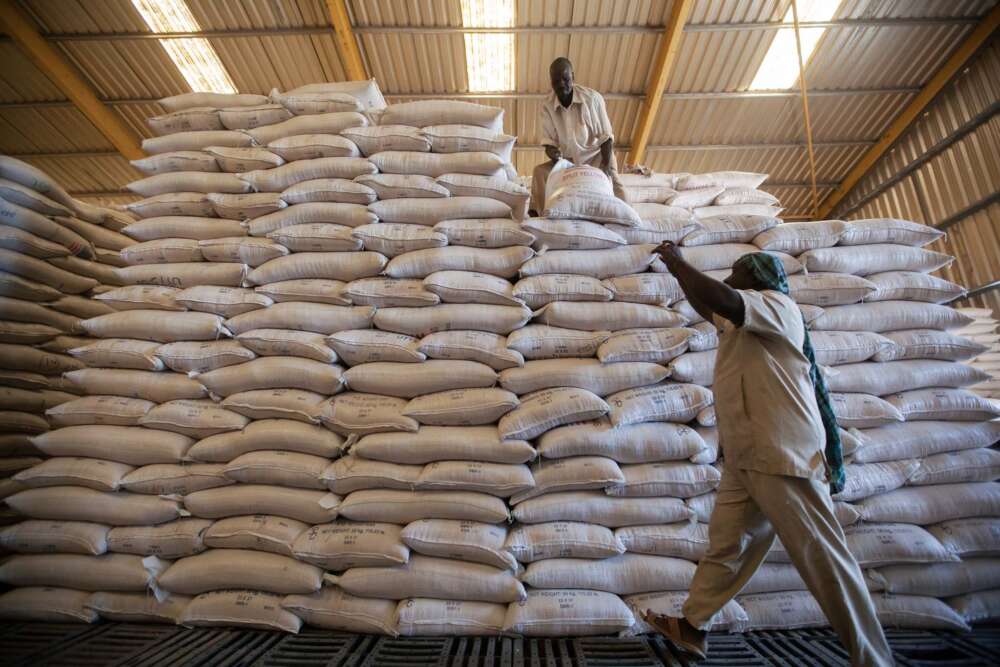
Serving more people facing food insecurity with an increasingly shrinking budget, the World Food Programme (WFP) has to make tough decisions about who receives aid and who does not. This evaluation examines WFP’s approaches to targeting and prioritization for food and nutrition assistance and tracks whether these approaches indeed help WFP reach those most in need.
Related