Moldova's Security in 2030
Four Scenarios of Risk, Resilience and Strategic Choice
This report presents the results of a strategic foresight exercise on Moldova’s future security environment to 2030. Rather than attempting to predict what will happen, it uses a workshop-based scenario analysis methodology to explore plausible alternative futures and support strategic thinking under conditions of uncertainty. The participants in the scenario exercise included experts on both hard security issues and broader political, social, and economic issues relevant to security. The experts were from Moldova and several EU countries, primarily Germany. They designed four scenarios that capture possible 2030 end states.
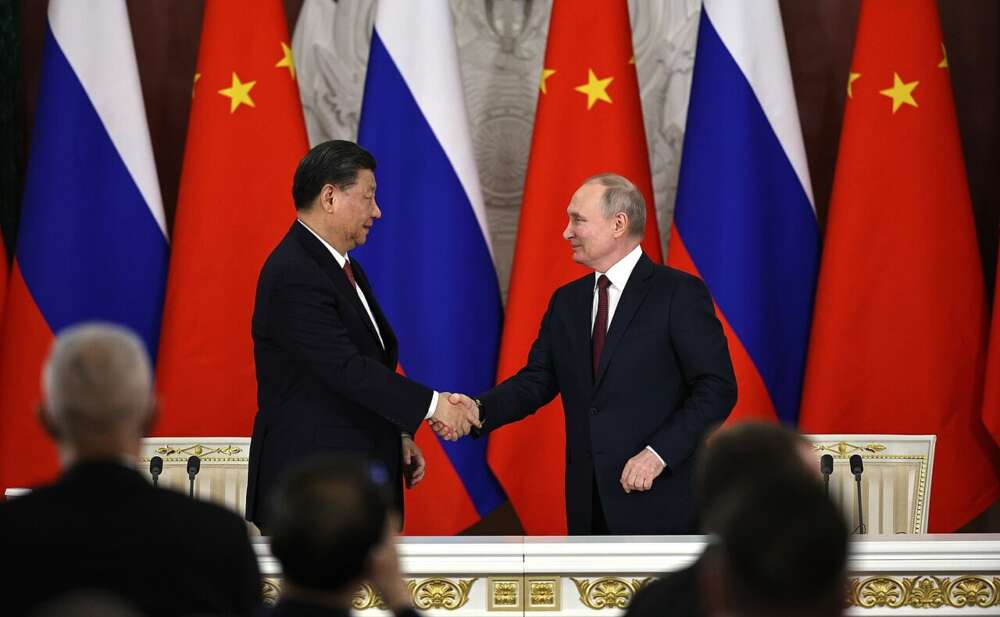
- Sovereignty for Sale: By 2030, Moldova has lost its European perspective and accepted a transactional political deal with Russia, yet Transnistria finds itself, paradoxically, more isolated and economically weaker despite Moldova’s renewed political proximity to Russia.
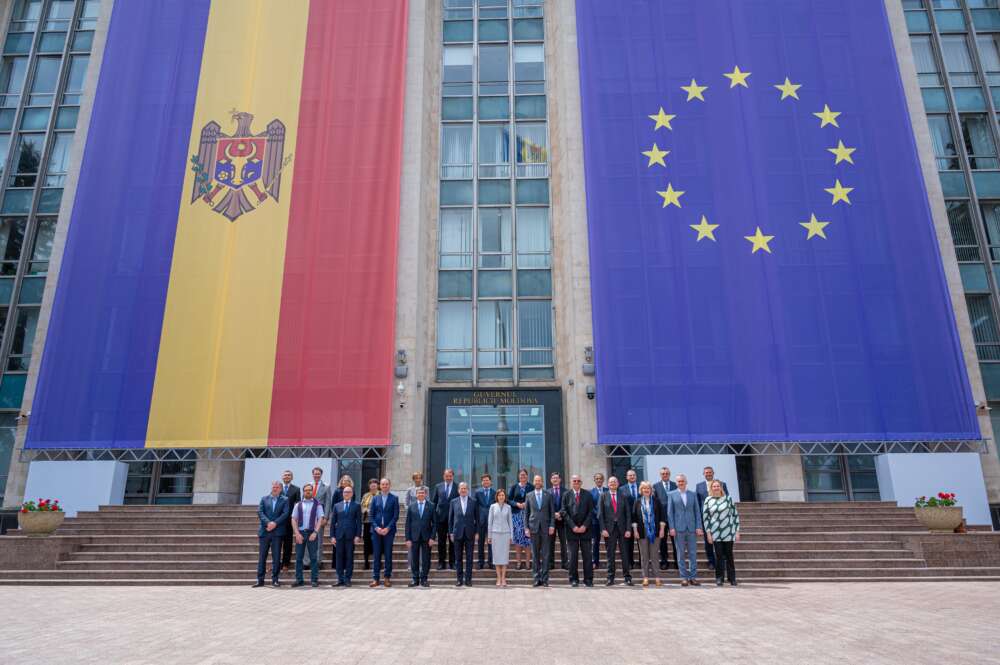
- The Grand Bargain: By 2030, Moldova has achieved EU membership, but only at the price of accepting a Cyprus-like separation from Transnistria under a wider great-power security settlement in Eastern Europe.
- Neutrality under Duress: By 2030, Moldova’s EU path is politically stalled, its security environment has deteriorated, and the country clings to its customary neutrality under mounting external pressure, including coercive Romanian pressure linked to reunification, while Transnistria remains unresolved.
- Economic Reintegration, Strategic Exposure: By 2030, Moldova has begun reintegrating Transnistria through Single Market access, but the settlement leaves Russian leverage embedded inside the state as Moscow seeks to “Transnistrianize” Moldova from within.
Core Developments
Taken together, the scenarios point to three core developments that may shape the Republic of Moldova’s security environment in the next four to five years.
First, Moldova remains highly exposed to developments beyond its control, including the trajectory of the war in Ukraine, the future of EU cohesion, Russian strategy, and political dynamics in neighboring states. Second, this external exposure does not eliminate domestic agency. Across the scenarios, there are examples of how political choices by Moldovan actors, institutional resilience, and state capacity shape how external shocks are absorbed and translated into political outcomes. Third, even Moldova’s more favorable futures do not produce clean or cost-free solutions. Progress remains partial, often comes with significant trade-offs, and leaves important forms of strategic exposure in place.
Across the scenarios, four vulnerabilities stood out: (1) energy insecurity, (2) corruption and low institutional trust, (3) the credibility of Moldova’s European pathway, and (4) the economic pressures driving outmigration. Participants prioritized these issues, in particular because they recurred across different futures and because they are also areas in which Moldova retains meaningful agency and can take steps to reduce vulnerability and strengthen resilience.
The participants of this scenario exercise advanced four strategic recommendations.
- Energy security: reduce dependence through diversification, interconnectors, and domestic production;
- Institutional trust: rebuild credibility through professionalization and anti-corruption reform;
- European pathway: protect credibility through a staged European integration path, with clear political commitment to Single Market access as an intermediate step, backed by stronger Moldovan communication and lobbying;
- Outmigration: mitigate economic drivers through diaspora investment, mentoring, and support for entrepreneurship.
This report was supported by the Konrad Adenauer Stiftung (KAS) Moldova.