Evaluation: UNHCR's Approach to Refugee Economic Inclusion in Urban Areas
International Project Team: Julia Steets, Julian Lehmann, Sasha Muench, Neil Fergusson
Country Researchers: Maria Amador Osuna, Safaa Charafi, Abdoutan Harouna, Mohamed Moha, Angeliki Dimitriadi
Funded by: UNHCR
Duration: October 2025-June 2026
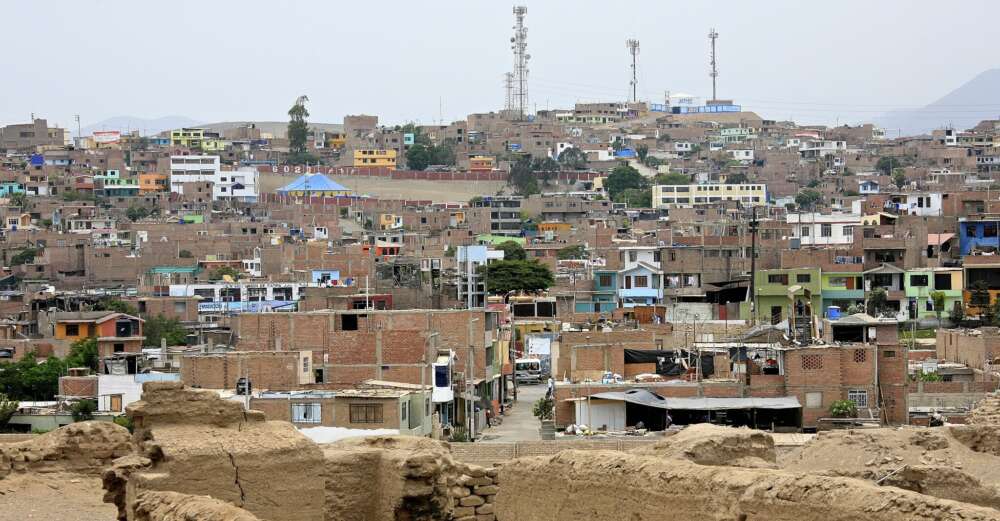
Increasingly, people who are forced to flee their homes are moving to urban environments – spaces presenting opportunities as well as distinct challenges. City-bound displaced populations may find it easier to access employment and services, but they also face structural barriers, practical constraints, and risks, including discrimination, exploitation and a lack of legal protection.
A Changing Aid Landscape
The upward trend of forced displacement in urban areas coincides with broader shifts in the international refugee response, which also affect the policies and practices of the United Nations High Commissioner for Refugees (UNHCR), one of the sector’s central actors. UNHCR has placed greater emphasis on approaches that promote inclusion in national systems, support nationally-led responses and reduce reliance on aid, in partnership with host governments, development actors and other stakeholders. At the same time, like many international organizations, UNHCR is operating under growing financial constraints, with declining resources limiting the scope and modalities of its engagement. As UNHCR intensifies its focus on supporting refugees to become less dependent on aid, there is a growing need for learning and evidence distinct to urban areas.
Against this backdrop, UNHCR has commissioned GPPi to lead an independent global evaluation of its approach to the economic inclusion of refugees and asylum seekers in urban areas. The evaluation gathers evidence and lessons from UNHCR country operations to inform UNHCR’s institutional policy development and future programming.
Evaluation Questions
The evaluation focuses on four central questions:
- Policy coherence and relevance: How coherent is UNHCR’s urban response on economic inclusion with recognized standards, and how well does it reflect the lived realities, priorities and needs of refugees and asylum seekers?
- Systems and partnerships: How and how well has UNHCR leveraged existing systems and partnerships, strengthened public institutions and contributed to better enabling conditions for the economic inclusion of refugees and asylum seekers in urban areas?
- Access to rights, services, and opportunities: In what ways has UNHCR contributed to improved access to rights and services relevant to economic inclusion and economic opportunities for refugees in urban areas?
- Socio-economic situation: To what extent did UNHCR contribute to an improved socio-economic and work-related protection situation for refugees?
Scope and Methods
The evaluation covers the period 2021 – 2025 and includes case studies across multiple regions. It combines in-country missions to Morocco, Ethiopia, Niger, and Peru and remote research on Costa Rica, Greece, Nigeria, and Rwanda.
The evaluation team will use the following methods: document analysis, analysis of quantitative datasets, interviews with key informants, and focus group discussions with affected people.
The evaluation will run from October 2025 to June 2026.
For more information, please contact Julian Lehmann.
.jpg)