Don’t Lose What Works
Cash, Localization and Anticipatory Action in a Shrinking Humanitarian System
In your recent articles, you describe the current funding crisis as a “perfect storm” for humanitarian action. Beyond shrinking budgets, what do you see as the most significant challenge facing the humanitarian system today?
I used the image of the “perfect storm” to help explain why the humanitarian sector faces such an extreme funding crisis at the moment. The legitimacy of aid has been under attack from all sides at the same time: right-wing movements portray aid as wasteful and against national interest, left-leaning critics point to dependency and power imbalances it can reinforce, and a broad political center simply doubts whether aid delivers any results. That erosion of legitimacy is what created the political space for funding to collapse the way it did when state budgets came under pressure everywhere.
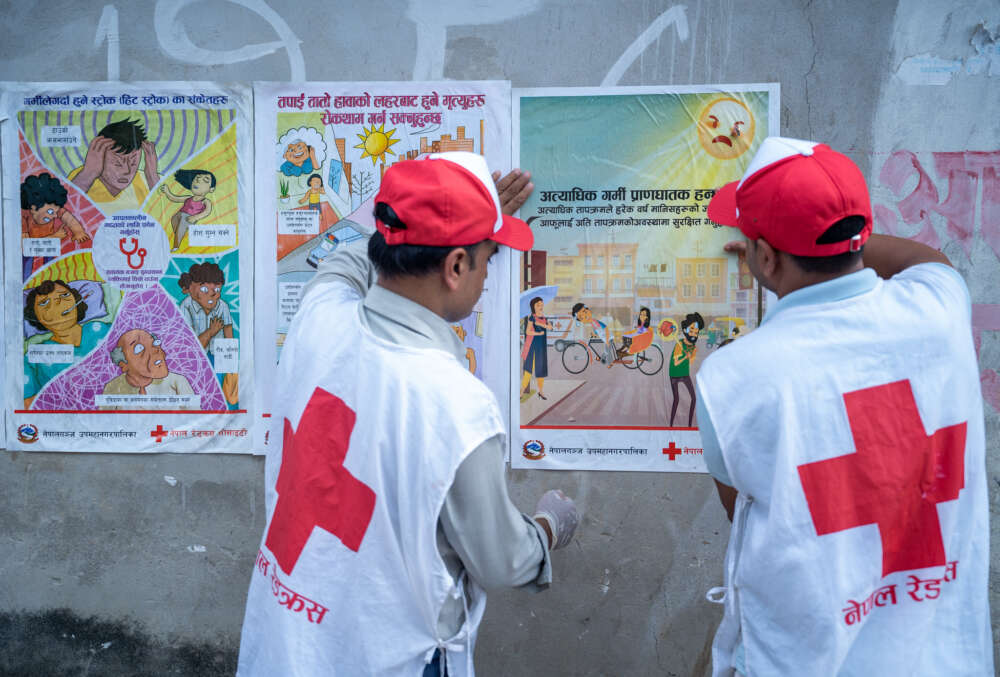
However, the legitimacy challenge is not just an issue for funding. It also affects how humanitarian aid is received. The Red Cross emblem and other symbols marking aid workers and goods as humanitarian used to be quite powerful in ensuring that aid workers were not harmed and able to bring the goods and services to those who needed them. This humanitarian space has equally been under attack: the number of aid workers killed or injured keeps rising year by year. At the same time, host governments, de facto authorities and armed groups have become more blatant in denying humanitarian access and more skilled at extracting rentsand manipulating aid to suit their aims. Sudan and Gaza are probably the most extreme examples, with parties to the conflict besieging areas where large numbers of civilians live and denying them access to the most basic necessities, creating famine in the process.
It’s tragic that the humanitarian system is caught so badly between these different fronts just when we need it so much – with the climate crisis triggering so many and such severe disasters and there being so many and such brutal conflicts.
Calls for a “humanitarian reset” often focus on efficiency, prioritization and doing more with less. In your view, what should be the guiding principles for reform, and what should humanitarian actors avoid sacrificing in the process?
There have indeed been many people touting Churchill’s bon mot to “never waste a good crisis” and calling for humanitarians to “do more with less.” This is cynical. When organizations face budget cuts between 30 percent and 60 percent, this has a destabilizing effect. The process of downsizing also swallows a lot of resources, making the humanitarian system less (rather than more) efficient, at least in the short-term.
That said, I agree that the humanitarian system has so far not been very strategic in implementing the cuts. Initiatives like the Humanitarian Reset that make it clear that we need to set priorities are therefore very welcome: Rather than implementing cuts across the board, we need to double down on approaches that have been proven to work – like cash assistance and anticipatory action – while we step back from other areas. Should we, for example, really continue to provide humanitarian assistance in areas that are not affected by any acute shocks, but permanently in need? And does it make sense to meticulously register and assess large groups of people if we are only able to help a handful in the end?
You argue that decades of evaluations show that humanitarian action saves lives and delivers measurable results, as illustrated by the Somalia drought response. Yet the current debate often focuses on the failures of the humanitarian system. How can the sector ensure that evidence of what works informs the debate on humanitarian
reform?
I wouldn’t be so harsh on the humanitarian sector here. If you compare it to other sectors like development, the humanitarian system actually has quite a strong evidence base: We have come a long way on how we assess needs and rank their severity. There is also a strong practice of evaluating humanitarian responses – not just project by project or agency by agency, but also humanitarian responses as a whole. As a result, we have ample material showing both what works and what doesn’t.
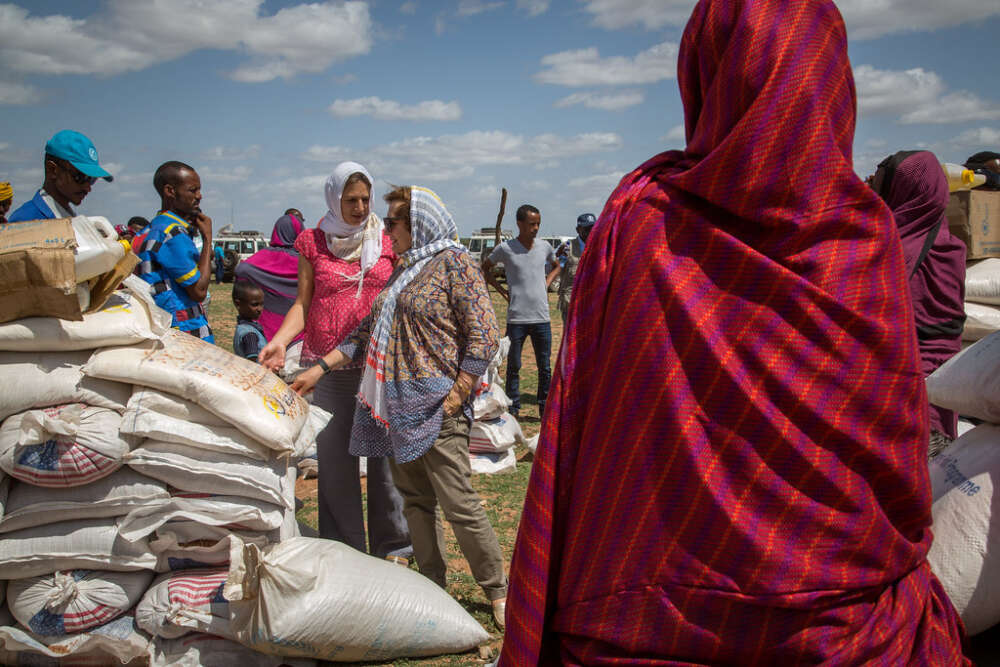
It is true that the debate tends to focus on the latter. That’s human: failure makes for a better story than success. It’s also useful if we want the system to focus on and fix what is not working. But we need to do a better job at also communicating the positive sides to ensure the overall picture is fair. The available evidence on the positive impact of humanitarian action is solid. In the evaluation of the drought response in Somalia you mentioned, for example, we show that humanitarian assistance saved tens, if not hundreds, of thousands of lives. Several million children were treated for acute malnutrition and 96 percent of them recovered thanks to the assistance provided. An earlier evaluation from Ethiopia shows something similar: during Ethiopia’s 2015 – 2018 drought, three-quarters of malnourished children recovered. We need to make sure that these results don’t remain hidden in long, complex reports. More direct conversations with decision-makers on the findings and their implications is as important as bringing these insights into the public debate. This sounds simple, but we still don’t do enough of this. I am also worried that it might become even more difficult to do this in the future as evaluators and think tanks also struggle to make ends meet and may have to concentrate more on work they get paid for.
Your work highlights practical reforms such as simplifying coordination, strengthening pooled funds and supporting locally led responses. What do you think has prevented the sector from implementing them more systematically, and what could finally make reform happen?
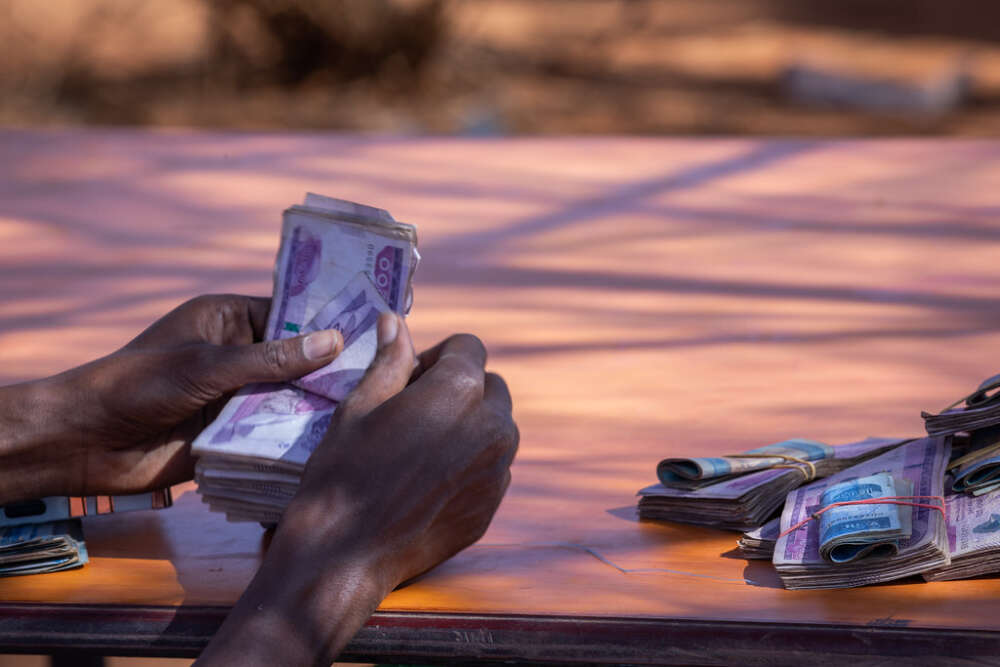
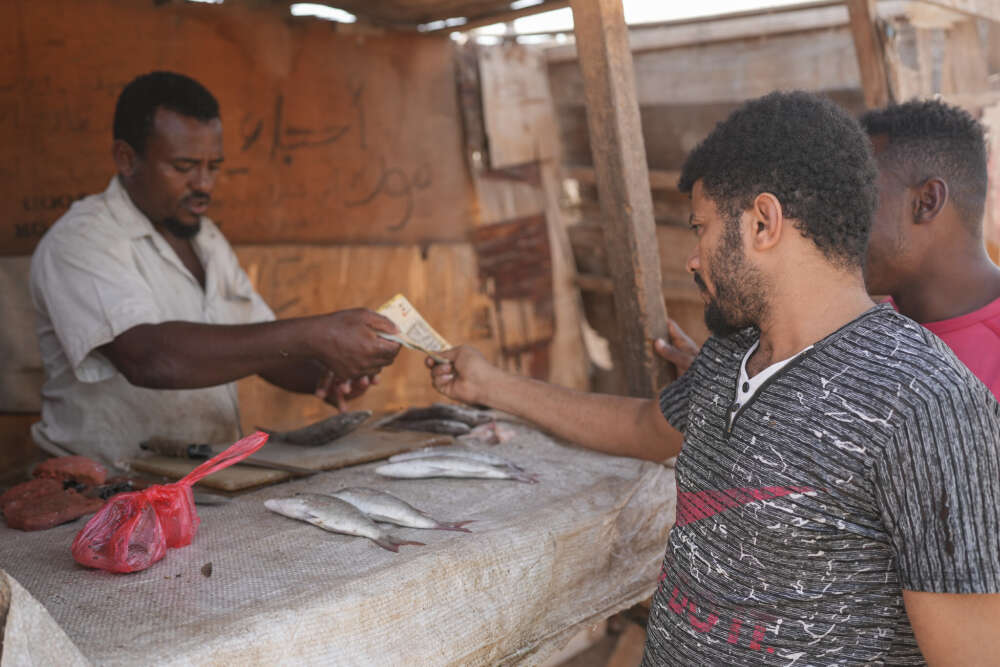
At the risk of sounding banal: it is the balance between what is proven to work and institutional interests that determines whether reforms happen. Cash is a fascinating example. We know that it is often more efficient, more effective and more dignified to give people cash rather than in-kind assistance. For a while, the share of assistance provided in cash was increasing, even though powerful stakeholders had interest to keep providing in-kind assistance – from the American farmers getting their surplus production bought, to large humanitarian organizations with the expertise and infrastructure in place to deliver it. What is becoming apparent now is that this worked as long as the overall amount of humanitarian aid was growing and cash was provided in addition to (not instead of) traditional forms of aid. Unfortunately, this has reversed now that the sector is downsizing, and cash is shrinking in both absolute and relative terms.
Localization is another clear example: it means, quite literally, that funding, decision-making power and visibility should shift from established international humanitarian organizations to local and national actors. It is no surprise that little has structurally changed even though the sector has been making promises for a decade. Both examples show that the ability of the humanitarian sector to reform itself from within is limited even if the funding cuts create a lot of pressure for change. This is why I think donors have a key role to play. They need to coordinate and to create facts, rather than abstractly ask for reforms. If they really want to promote localization, for example, they need to shift more of their funding into pooled funds at country level and request that these funds be channelled directly to local organizations. The new US contributions to pooled funds, unfortunately, do not fit this bill. Their restrictions prevent them from reaching local organizations directly. If we don’t want pooled funds to become just another channel reproducing the international intermediary model rather than using them as the localization lever they could be, other donors need to provide a counterweight to the American approach.
To make reform happen, we need donors to take action, rather than leaving reform to emerge from within a system that has strong incentives not to change. This funding crisis could be the kind of shock that forces a fundamental restructuring. Whether it does, depends on donors using this moment deliberately.
Looking ahead, if today’s funding crisis becomes the “new normal,” what kind of humanitarian system should the sector aspire to build?
It would be foolish to expect funding levels to go back to where they were. While some Gulf states have become important contributors, they cannot make up for the shortfalls created by the traditional donors and other key economic powers like China or India have not increased their contributions substantially. To adapt, we should build a system that is anticipatory and local, and that sets its priorities based on evidence. Building that system means real trade-offs: some organizations and roles that exist today and that have been providing good work in the past, especially those built around long intermediary chains, will not have a place in it. We should make these choices deliberately, based on evidence of what works, rather cut everything a little bit, risking that nothing will work properly any longer.
Donors and the senior leadership of aid organizations need to take tough decisions for this: they need to articulate what the future humanitarian system’s key functions are and who is best placed to deliver them under different conditions. In protracted crises, delivery should shift to local organizations. Internationals should concentrate on quality control, diplomacy and fundraising, as well as on responding to acute shocks. In doing so, we need to protect what we already know works, such as cash and anticipatory action, rather than letting these achievements be cut along with everything else.
This interview was first published by VOICE on September 1, 2026.